Studying maps of the Santa Ynez Valley and wondering why Los Olivos District, Ballard Canyon, Happy Canyon and nearby Sta. Rita Hills feel so different on the ground and in the glass? If you are evaluating an estate or vineyard purchase from out of the area, the alphabet soup of AVAs can be confusing. You want clear guidance tied to climate, soils, varieties and practical ownership considerations. This guide explains how the valley’s east–west orientation shapes terroir, what each sub‑AVA is known for, and how to align a property with your wine and lifestyle goals. Let’s dive in.
Santa Ynez Valley at a glance
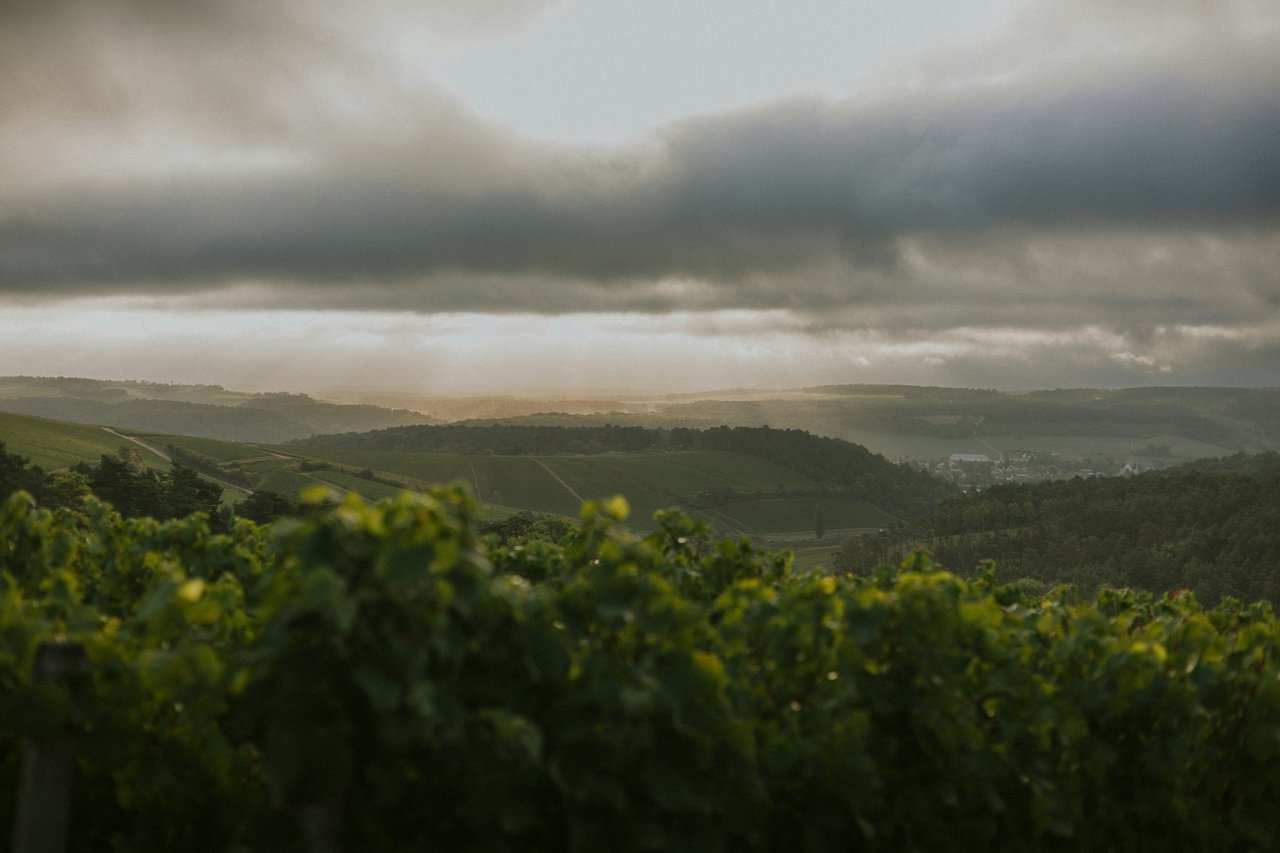
Santa Ynez Valley is one of California’s rare east–west coastal valleys. That orientation pulls cool marine air and fog inland from the Pacific, creating a strong gradient. Sites to the west trend cooler and foggier, while the eastern reaches are warmer and drier. Daily temperature swings can be significant in many locations.
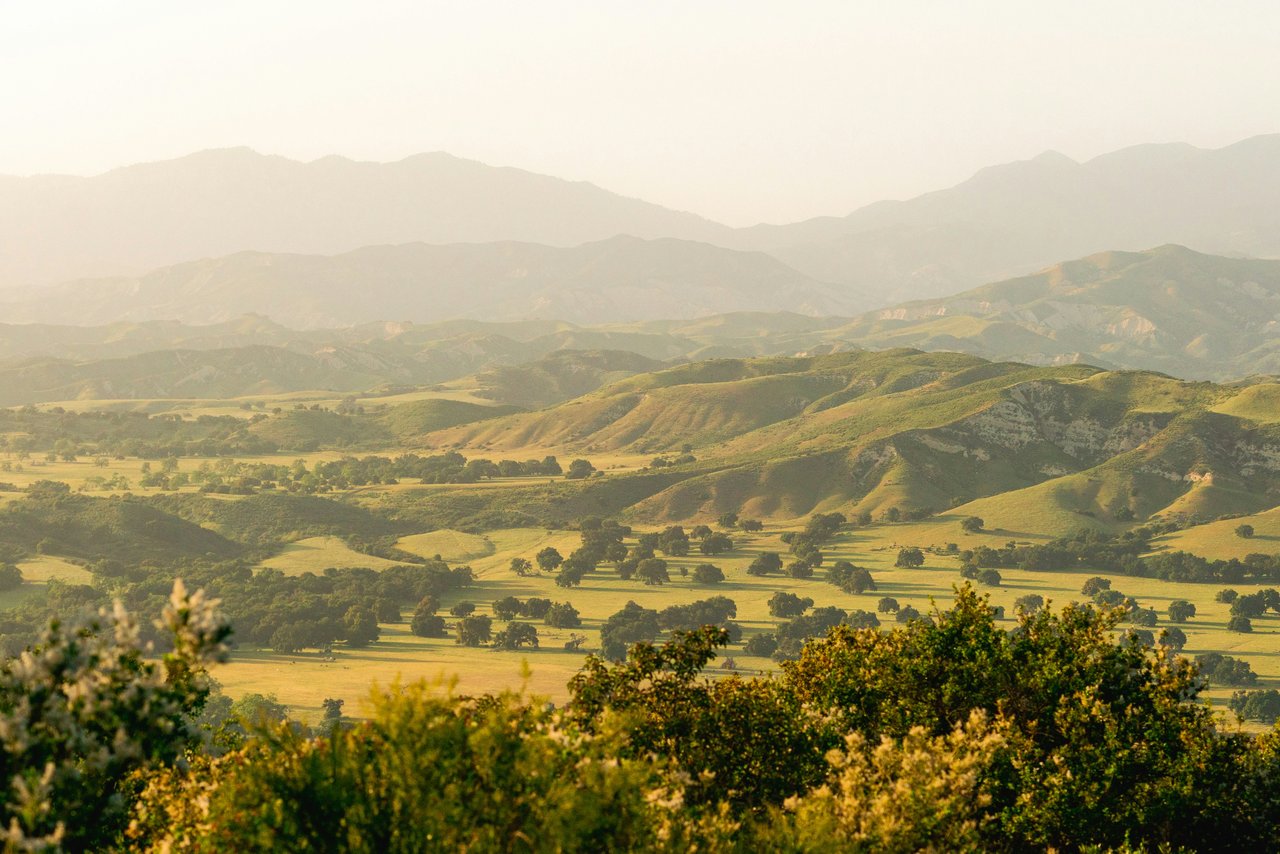
Within that gradient, the valley floor, foothills and ridgelines create dozens of microclimates. Slope and aspect change sun exposure and wind, so two neighboring parcels can perform very differently. Soils vary widely too, from alluvial flats to sandstone and marine sediments on hillsides, with pockets of well‑drained loams and gravels. Because soil and exposure drive vine vigor and water needs, site‑specific testing is essential.
Labeling rules matter if you plan to produce estate wine. To use an AVA name on a label, a defined percentage of grapes must come from that AVA. Sub‑AVA designations can support a premium when the site’s terroir aligns with the area’s reputation. Verify current federal rules and how sub‑AVA and parent AVA names fit your brand strategy.
How the sub‑AVAs compare
Los Olivos District overview
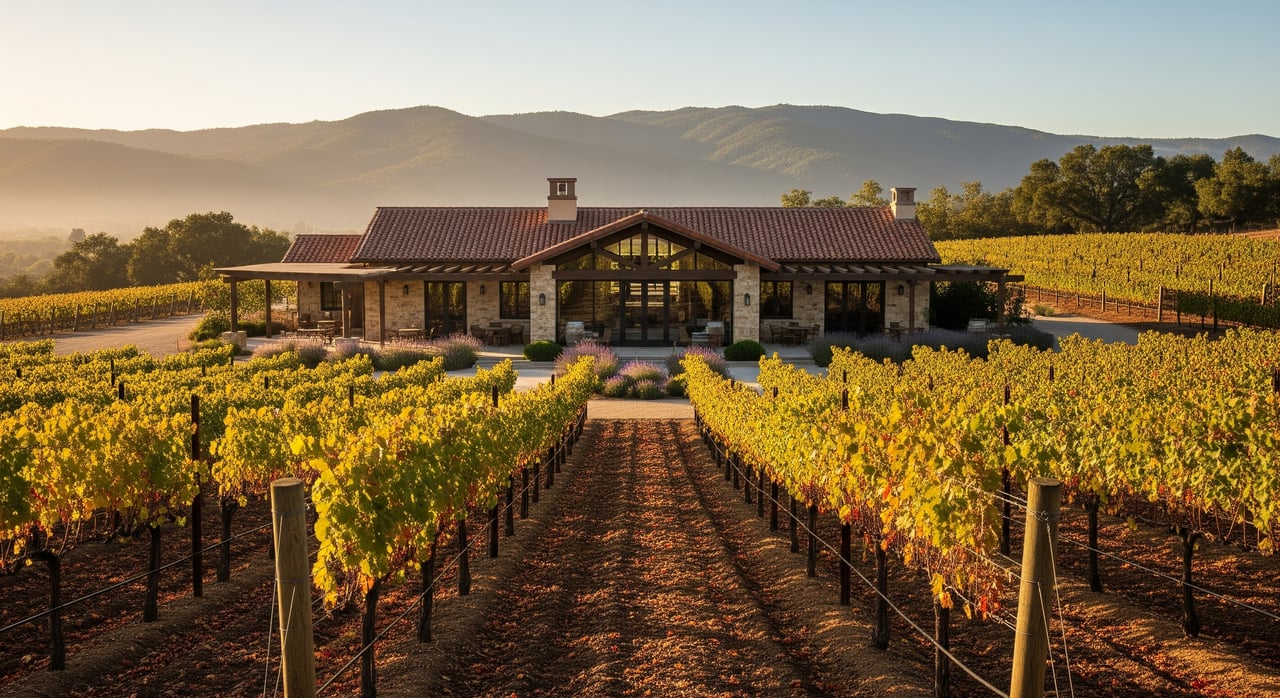
Centered around the town of Los Olivos and nearby north‑central slopes, Los Olivos District sits in the middle of the valley’s climate spectrum. It is generally warmer than coastal sites yet cooler than the far east. Rolling hills and benches, with mixed soils, create a broad canvas for plantings.
You see diversity here rather than one signature grape. Cooler pockets can support Chardonnay and Pinot Noir, while warmer benches lean toward Syrah, Grenache and Bordeaux varieties. That range suits buyers who want flexibility in their program.
- Property types you often find:
- Estate vineyards with boutique wineries and tasting rooms
- Luxury ranch estates with vineyard blocks and equestrian facilities
- Historic ranch homes and high‑end new builds sited for views and privacy
- Buyer notes:
- Balanced access to village amenities with rural privacy
- Strong fit for a mixed lifestyle and production brief
Ballard Canyon overview
Ballard Canyon runs through the south‑central valley, roughly south of Solvang. It is moderately warm with reliable afternoon airflow and notable diurnal cooling. Canyon orientation and slope exposure are important, and good drainage is common on the hillsides.
The AVA is known for Rhône varieties, especially Syrah, which shows depth and structure here. Grenache and Mourvèdre are also successful, with some Cabernet on warmer benches. If your goal is terroir‑driven red wines, Ballard Canyon stands out.
- Property types you often find:
- Syrah‑focused premium vineyard estates
- Custom winery facilities with small tasting rooms and production centers
- Hillside homes and ranches with canyon views
- Buyer notes:
- Parcel orientation is critical for ripeness and style
- Reputation for premium Syrah supports focused branding
Happy Canyon overview
On the eastern end of the valley, Happy Canyon is among the warmest sub‑AVAs. Sheltered benches enjoy strong sun exposure with less direct marine fog influence. Well‑drained soils and sustained heat accumulation suit late‑ripening grapes.
Bordeaux varieties shine here, including Cabernet Sauvignon, Merlot and Petit Verdot. Estates tend to be larger, and the lifestyle can feel more secluded and sun‑soaked.
- Property types you often find:
- Large vineyard blocks planted to Bordeaux varieties
- Private compounds with multiple dwellings, guest houses and equestrian facilities
- Buyer notes:
- Excellent fit if you target Bordeaux‑style wines and a warmer microclimate
- Branding often differs from coastal AVAs given style and site profile
Sta. Rita Hills connection
Sta. Rita Hills sits just west of the Santa Ynez Valley and is a separate AVA closer to the Pacific. It is distinctly cool and windy with frequent fog and steady sea breezes. Many sites feature marine sediments and shale.
Pinot Noir and Chardonnay are the signatures, often with high acidity and finesse. Proximity to Sta. Rita Hills influences pricing and positioning on the western side of the region. If your goal is a cool‑climate program, the differences between Sta. Rita Hills and inland Santa Ynez sites are substantial.
What AVA choice means for your wine
Your AVA sets expectations for style and variety. Western, cooler sites favor Pinot Noir and Chardonnay, while central and eastern pockets support Rhône and Bordeaux grapes that want more heat. If you plan to label by a recognized sub‑AVA, you can often support a higher price when terroir and reputation align.
That said, your site’s microclimate, soils, water reliability and permitting path will influence outcomes more than a boundary line. The most successful estates match rootstock and variety to slope and soil, protect water supplies, and plan operations around local rules and hazards.
Practical due diligence for vineyard estates
Terroir and production testing
- Climate data: gather site‑level growing degree days, frost timing and diurnal range using long‑term records
- Soils: commission professional mapping and deep borings to assess texture, drainage, rock content, pH and any calcareous layers
- Water: verify well capacity, seasonal drawdown, pumping rights and irrigation water quality
- Aspect and slope: map sun exposure and prevailing winds, and plan for erosion control and mechanization
- Wildfire and ember risk: review local fire history and defensible space requirements for structures and vines
Permitting and operations
- Zoning and land use: confirm allowed uses, including agriculture, winery, tasting rooms, hospitality and any conservation contracts
- Winery permitting: understand county requirements, including potential conditional use permits and environmental review
- Water and wastewater: plan for winery wastewater treatment and required approvals
- Labor and housing: assess workforce availability and rules for onsite employee housing
- Easements and tax programs: review any encumbrances and agricultural property tax status
Financial and market realities
- Establishment costs: model site prep, trellis, vines, irrigation, roads, power and winery buildout
- Yield and variety economics: align expected tons per acre and grape pricing with your cash flow plan
- Brand and appellation strategy: weigh sub‑AVA labeling benefits against the investment to build or grow a brand
- Insurance and risk mitigation: review wildfire, drought and crop‑loss insurance and plan for resilient construction
- Estate amenities: budget for equestrian facilities, guest housing, privacy measures and security
Environmental and long‑term hazards
- Wildfire: plan for ignition‑resistant design, access and water supply for protection
- Water availability: understand groundwater basin status and potential limits on pumping or new wells
- Climate change: anticipate shifting ripening windows and heat stress with adaptive plantings and canopy practices
Data and maps to gather
- AVA boundary shapefiles and relevant rulings to verify official boundaries
- County parcel maps, zoning and general plan layers for allowed uses and any easements
- NRCS soils maps to guide field borings and vineyard design
- PRISM, NOAA or local station climate records for long‑term temperature and precipitation
- State and county water resources data, including groundwater basin maps and well records
- FEMA flood maps and local fire hazard severity maps
- High‑resolution aerial imagery and LiDAR for slope and aspect analysis
Your acquisition game plan
Assemble your professional team
- Viticultural consultant for climate, soils, variety matching and rootstock guidance
- Civil and geotechnical engineer for roads, pads, foundations, erosion control and septic design
- Permitting specialist or land use attorney with Santa Barbara County winery experience
- Hydrologist for well testing, water quality and rights verification
- Fire protection consultant for defensible space, access and water supply planning
- Real estate tax and estate planning advisors familiar with agricultural assessments and easements
- Environmental consultant for screening if development may trigger review
Five smart next steps
- Pull parcel‑level documents and production history, and verify AVA inclusion for your labeling plan.
- Commission a high‑level viticulture and wildfire assessment before submitting an offer.
- Make soil borings, geotechnical work and well testing part of your offer contingencies.
- Map a permitting path with a local specialist to uncover constraints early.
- Model total cost of ownership, including staffing, insurance and mitigation investments.
Property profiles by sub‑area
- Los Olivos District: boutique estates with 10 to 50 acres of vines, tasting rooms with guest suites and ranch homes with vineyard blocks
- Ballard Canyon: Syrah‑focused vineyard estates, small production wineries and hillside parcels with panoramic views
- Happy Canyon: larger sun‑exposed properties with Bordeaux plantings, private compounds and equestrian facilities
- Western edge near Sta. Rita Hills: smaller, cool‑climate parcels optimized for Pinot and Chardonnay with lower yields and higher price‑per‑ton potential
Ready to explore the right AVA for you
Choosing among Los Olivos District, Ballard Canyon, Happy Canyon and nearby Sta. Rita Hills starts with your vision for wine style and lifestyle, then drills down to climate data, soils, water and a feasible permitting path. With the valley’s east–west orientation creating distinct yet neighboring terroirs, the right site can deliver both performance and a seamless estate experience.
If you want discreet, expert guidance from advisors who pair local agricultural knowledge with complex dealcraft, connect with Murphy Atkinson. Schedule a confidential consultation to align properties with your goals and plan a clear path from acquisition to production.
FAQs
What makes Santa Ynez Valley unique among California AVAs?
- The valley runs east to west, channeling cool marine air inland and creating a strong climate gradient from foggy west to warmer east, which supports a wide range of grape varieties.
How does Ballard Canyon compare to Los Olivos District for Syrah?
- Ballard Canyon has a reputation for premium Rhône varieties, especially Syrah, supported by airflow and diurnal cooling, while Los Olivos District offers broader varietal diversity across mixed microclimates.
Is Happy Canyon better for Bordeaux varieties than central valley sites?
- Happy Canyon is among the warmest sub‑AVAs with sun‑exposed benches and less fog influence, conditions that favor Cabernet Sauvignon and other Bordeaux grapes that need more heat.
How should I verify that a parcel qualifies for a specific AVA label?
- Confirm parcel boundaries against official AVA maps and rulings, then ensure your production plan sources the required percentage of grapes from that AVA for labeling.
What permits are typically needed to build or operate a winery in Santa Barbara County?
- Requirements vary, but expect to address land use and zoning, potential conditional use permits, environmental review, wastewater systems and traffic or operations conditions through county processes.
What technical studies should I commission before I write an offer?
- Start with a viticultural assessment and wildfire review, then add soil borings, geotechnical work and well testing, plus a permitting path analysis with a local specialist.