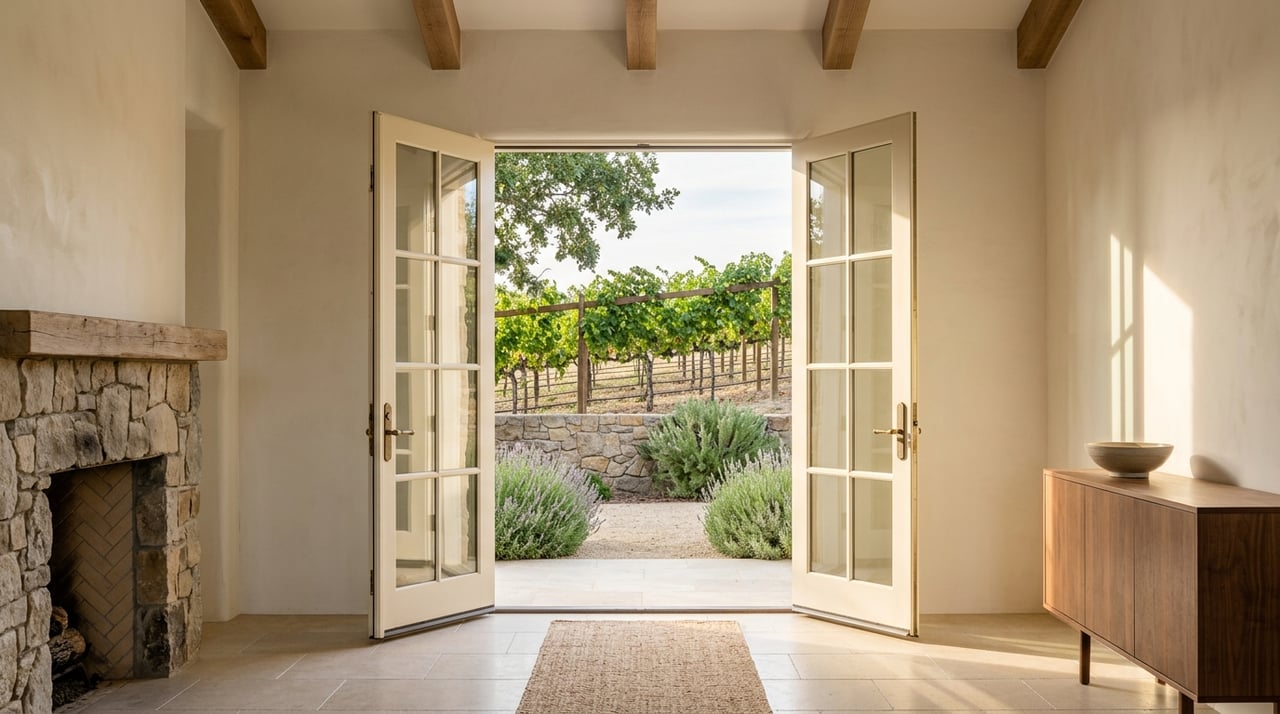
Preparing A Buellton Country Estate For Discerning Buyers
If you are preparing to sell a country estate in Buellton, you are not just bringing a home to market. You are presenting a land story, an operations story, and a lifestyle story all at once. Discerning buyers want beauty, but they also want clarity. This guide will help you understand how to position your estate so buyers can quickly grasp its value and move forward with confidence. Let’s dive in.
Buellton sits along Highway 101 in the Santa Ynez Valley, near Solvang, Santa Ynez, Ballard, and Los Olivos. The city describes the valley as a prime agricultural region, with nearly 10,000 acres in vineyards and more than 30 wineries within 15 miles of Buellton. That setting shapes how buyers evaluate property here.
In this market, buyers often look beyond the residence itself. They may be comparing vineyard potential, land use, water systems, access, outbuildings, and long-term optionality. For that reason, preparing a Buellton country estate means doing more than staging rooms and refreshing landscaping.
A strong estate presentation usually comes down to three parts: lifestyle, operations, and optionality. This is especially true in the Santa Ynez Valley, where rural properties often carry both personal and practical value.
Lifestyle explains what it feels like to own and use the property. Operations explain how the land and improvements actually function day to day. Optionality addresses what the parcel may support under current zoning or county programs, without overstating future uses.
Your lifestyle story should help buyers picture the setting in a factual, grounded way. In Buellton, that may include valley views, access to Highway 101, proximity to nearby wine-country destinations, and the sense of space that comes with a rural parcel.
The goal is not to oversell. It is to show how the residence, guest spaces, barns, vineyard rows, open land, or outdoor entertaining areas fit together as a cohesive estate.
Discerning buyers tend to ask practical questions early. They want to know how water is sourced, what wastewater system is in place, whether there are easements, what permits exist, and how agricultural or support areas are used.
The California Department of Real Estate advises buyers to consider location, lot size, proximity to services, special taxes and assessments, and the physical condition of the property. It also notes that disclosures cover hazards or defects and that buyers should inspect electrical, plumbing, and structural integrity. For a country estate, that means your presentation should make systems and records easy to understand.
Santa Barbara County’s land-use framework often leads buyers to ask what else a property might support. The county’s Ag Enterprise Ordinance references uses such as farmstay, campground, small-scale special events, educational experiences, low-impact camping, and small-scale agricultural processing.
That does not mean every property qualifies for those uses. It does mean qualified buyers may ask about them, so your marketing and seller file should present only what the official record and current zoning support.
One of the best ways to attract strong buyers is to reduce uncertainty. A complete, organized seller packet helps serious prospects understand the estate quickly and can make confidential conversations far more productive.
For Buellton country properties, that packet should usually begin with county-level records and operational documentation. Buyers of high-value rural property expect substance behind the presentation.
Santa Barbara County provides property information tools that can help confirm key details tied to a parcel. These include zoning information, permit history by parcel, maps, and agricultural preserve resources. The Clerk-Recorder also offers official real estate records search tools for deeds and other recorded documents.
Useful records to assemble may include:
If the property is under a Williamson Act or Agricultural Preserve contract, pull the recorded contract and any related non-renewal or cancellation documents. State guidance describes the Williamson Act as a contract program that restricts parcels to agricultural or related open-space use, so buyers will want that information early.
In the Buellton area, water documentation can be one of the most important parts of the file. If the estate is served by a well, buyers may want to understand local groundwater conditions, well age, depth, condition, pump details, and maintenance history.
The California Department of Water Resources states that a well completion report must be filed within 60 days after a well is constructed, altered, or destroyed. Its well-preparedness guidance also emphasizes that well owners should know how the well has been maintained, tested, and treated. When available, that information helps buyers assess reliability and long-term stewardship.
Helpful water records may include:
If the property is not connected to public sewer, wastewater records matter just as much as water records. Santa Barbara County notes that onsite wastewater treatment systems, commonly called septic systems, are used where structures do not have access to public sewer.
That makes it wise to gather:
When those records are organized up front, buyers can evaluate the estate with fewer assumptions and fewer late-stage surprises.
Luxury presentation matters, but clarity matters just as much. Buyers should be able to understand how they arrive, how the home is served, how accessory structures are used, and how the land functions.
That may include drive access, parking areas, barns, equipment storage, staff or guest accommodations, fenced areas, vineyard blocks, or open acreage. Instead of leaving buyers to guess, build a clean narrative around the property’s layout and systems.
A polished estate should look inviting in photography and in person. At the same time, country-property buyers often pay close attention to the physical condition of the residence and supporting improvements.
Before listing, review visible deferred maintenance, utility systems, outbuildings, and operational areas. If a buyer is likely to ask about electrical, plumbing, structure, or serviceability, it helps to be prepared with accurate information instead of a vague answer.
Country properties often come with location-specific considerations. In Santa Barbara County, hazard mapping tools include emergency zones, road closures, FEMA flood risk, public safety power shutoff areas, and tsunami hazard areas.
If wildfire exposure, flood conditions, access interruptions, or outage risk are part of the property story, it is usually better to package that information early. Clear disclosure supports trust, and trust is especially important when buyers are coming from outside the area.
Remote and out-of-area buyers often need context that local owners take for granted. They may not know how county parcel tools work, what local agricultural preserve status means, or why well and septic records carry so much weight in a rural transaction.
A well-prepared listing can answer their first questions before they ask them. That includes zoning, permit history, water source, wastewater system, recorded easements, lease terms, and any documented agricultural income or production history.
If your Buellton estate includes vineyard acreage, buyers will likely want more than a simple planted-acre estimate. Santa Barbara County’s wine-grape crop reporting framework highlights production details such as grape type, planted acres, harvested acres, total tons, and total value.
That makes vineyard documentation especially important for both lifestyle buyers and more operationally minded buyers. A strong file helps translate the vineyard from scenery into an understandable asset.
When available, consider assembling:
Not every buyer will analyze this information the same way. Still, having it ready signals serious stewardship and allows qualified buyers to assess the estate on both emotional and practical terms.
The fastest way to prepare a country estate is to anticipate the diligence questions before they arrive. In this market, those questions are usually straightforward, even when the answers are complex.
Buyers commonly want to know:
When you can answer these questions clearly, your estate stands apart for the right reasons.
Discerning buyers are not only buying architecture or acreage. They are evaluating whether a property has been cared for, documented, and represented with discipline. In a market like Buellton, that level of preparation can influence both confidence and perceived value.
The right pre-listing work also helps your marketing do its job. Once the visuals draw buyers in, the facts keep them engaged. That is often where premium positioning begins.
If you are considering the sale of a Buellton country estate, thoughtful preparation can shape the entire outcome. For discreet guidance on positioning, documentation, and buyer-facing presentation, schedule a confidential consultation with Murphy Atkinson.
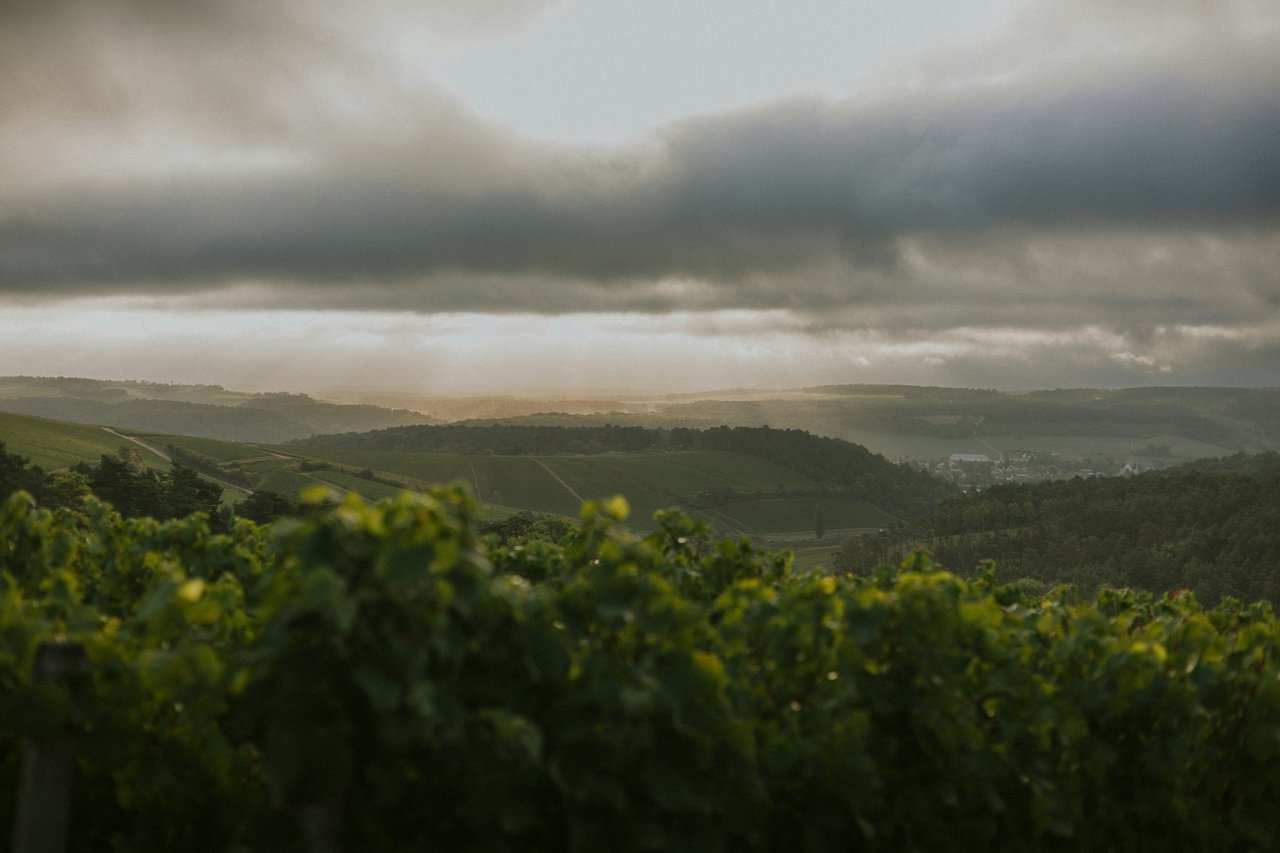
leisure
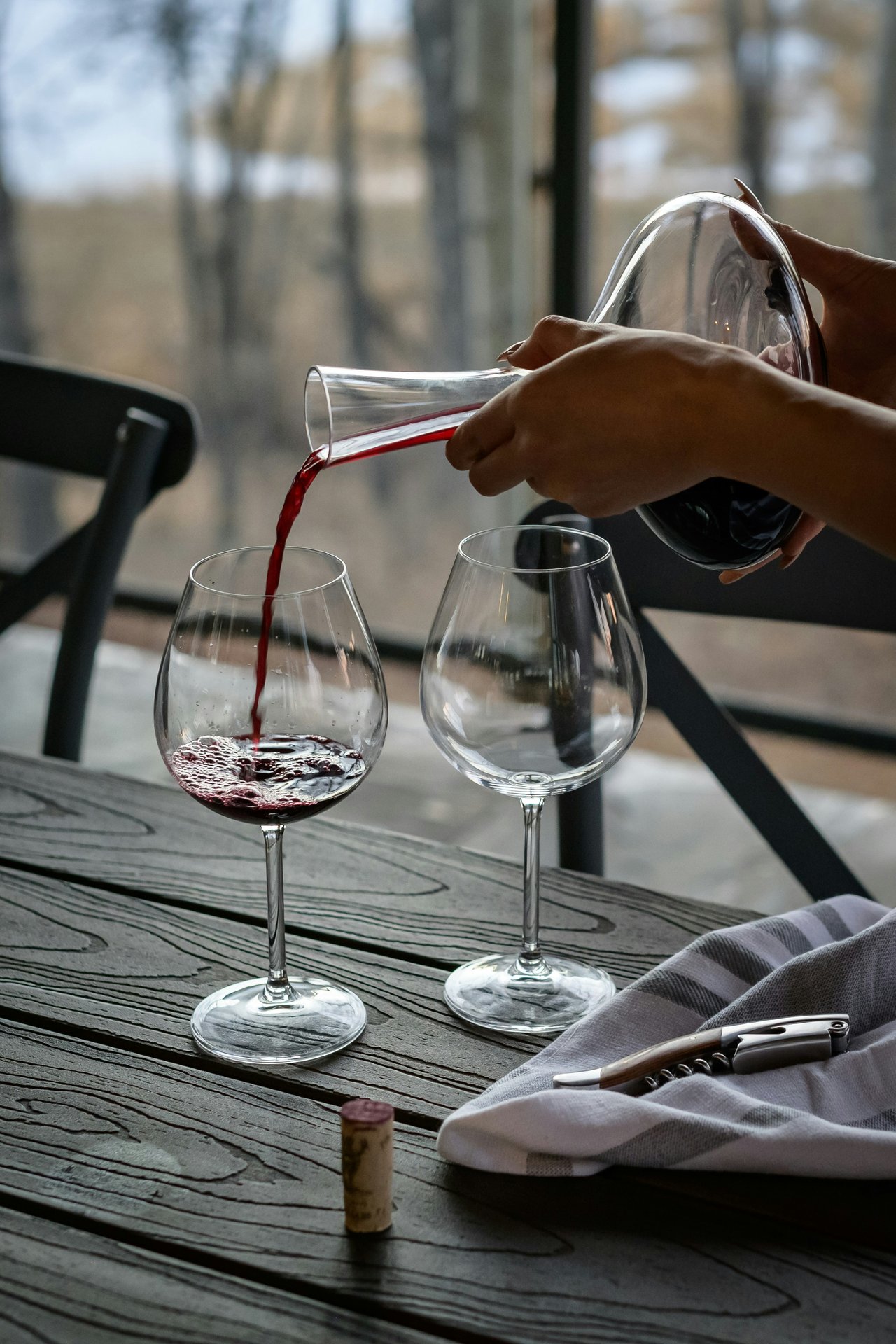
Wine Tasting
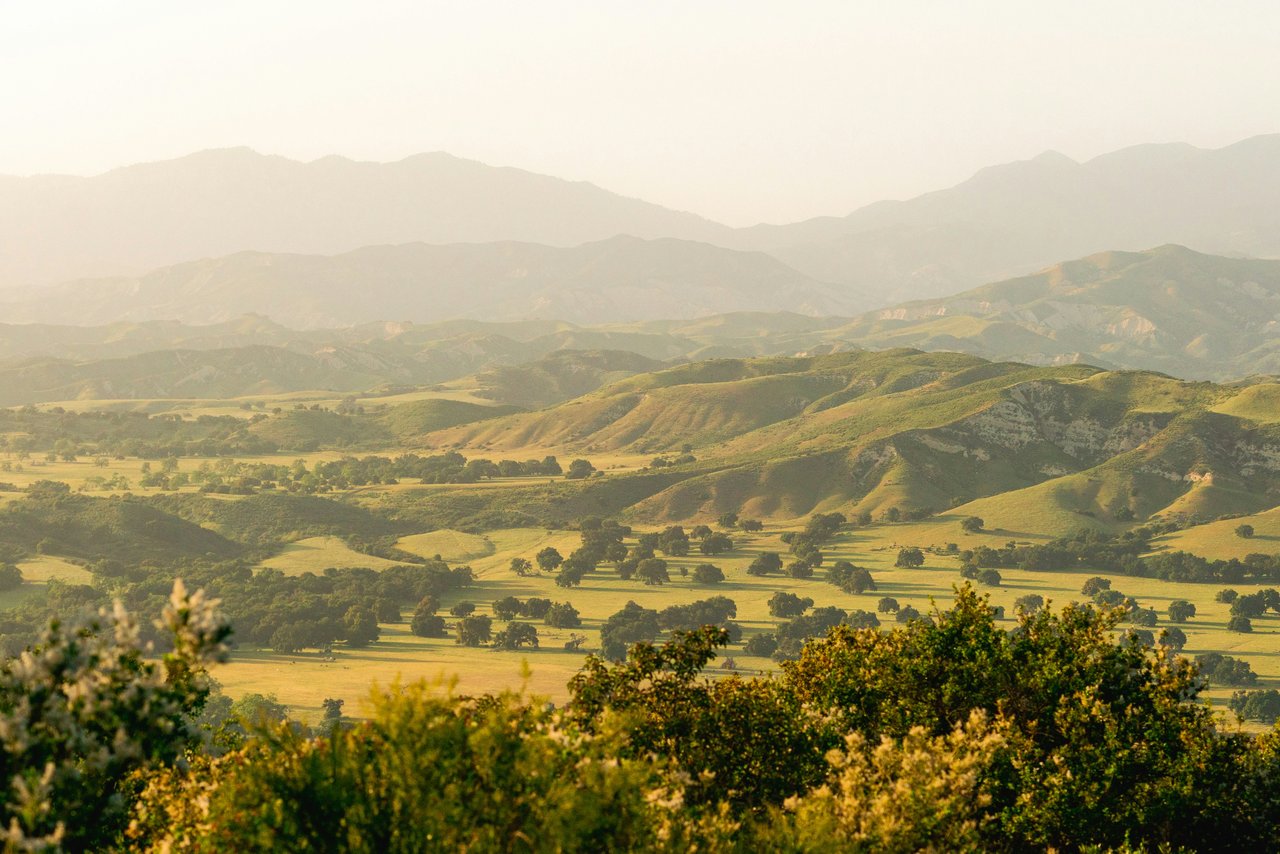
Santa Ynez Lifestyle

leisure

leisure
Santa Ynez Lifestyle
Santa Ynez Lifestyle

AVA
leisure
Immerse yourself in a realm where expertise meets empathy, transactions transform into relationships, and dreams find their home in the heart of California's scenic grandeur.