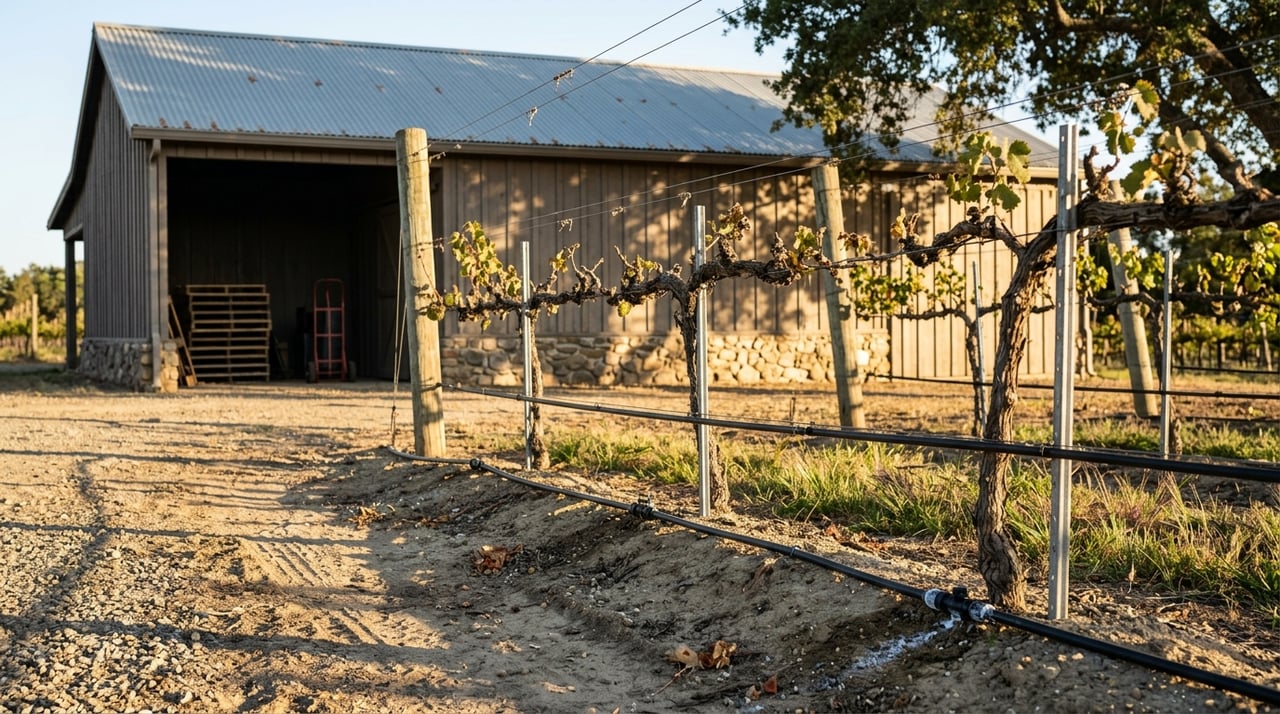
Guide To Ranchettes And Small Vineyards Around Los Alamos
If you are drawn to the idea of a Los Alamos ranchette or a small vineyard, you are probably looking for more than acreage alone. You want a property that supports a lifestyle, holds long-term value, and works in the real world of water, access, zoning, and land use. In the Los Alamos area, those details matter early, and understanding them can help you evaluate properties with far more confidence. Let’s dive in.
Los Alamos is an unincorporated community in northern Santa Barbara County, and that matters for how property is planned, served, and regulated. Santa Barbara County maintains a dedicated Los Alamos Community Plan for the area, which means local land-use context is an important part of any purchase decision.
The County is also reviewing Los Alamos in ongoing work tied to water, wastewater, stormwater drainage, and structural fire-protection needs. For you as a buyer, that is a practical reminder that infrastructure questions should sit right beside acreage, views, and setting when you compare properties.
For vineyard-minded buyers, Los Alamos also sits within a county known for established wine appellations. Santa Barbara County includes AVAs such as Santa Maria Valley and Alisos Canyon, and exact parcel location can influence whether a property supports AVA-based wine labeling.
Before you look at finishes, barns, or scenic ridgelines, it helps to define what you want the land to do. A ranchette and a small vineyard may overlap in feel, but they can demand very different things from the site.
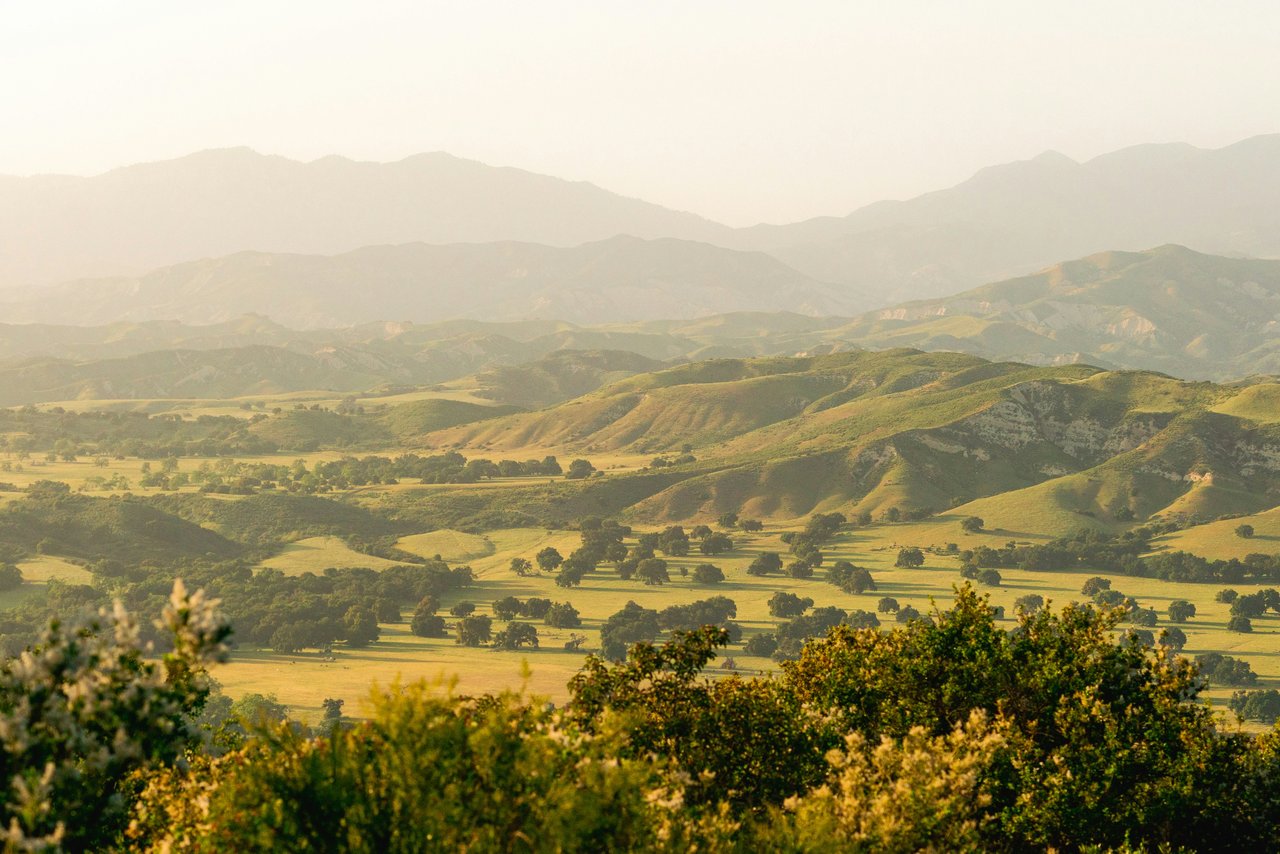
If you are focused on a small vineyard, the conversation usually starts with plantable acres, water source, slope, frost exposure, and whether the parcel falls inside a relevant AVA boundary. If you are shopping for a lifestyle acreage property, the priorities are often simpler and just as important: usable topography, a viable home site, domestic water, wastewater capacity, access, and room for outbuildings or agricultural support space.
In Los Alamos, those basics often carry more weight than raw acreage alone. The area includes a mix of town-adjacent service patterns, rural parcels, and land affected by groundwater management rules.
For both ranchettes and vineyards, water is the issue that deserves your attention first. The Los Alamos Community Services District operates a groundwater-based public water system and also provides wastewater collection and treatment for roughly 550 connections.
That small utility footprint is important. You should not assume that every parcel near Los Alamos has access to public water or public sewer, even if it feels close to town.
Some properties may rely on district service, while others may depend on a private well, septic system, or a combination of systems. Santa Barbara County’s Environmental Health program notes that onsite wastewater treatment systems, commonly septic systems, are used where there is no public sewer.
A practical review should confirm:
If a parcel includes a private well, the next question is whether it falls within the San Antonio Creek Valley basin. The San Antonio Basin Groundwater Sustainability Agency says the basin’s Groundwater Sustainability Plan was approved on January 18, 2024, and current rules require well owners in the basin to register wells, install compliant flow meters, and report extraction.
That is not a minor technical detail for a buyer considering vines, orchards, animals, or even long-term domestic use. It is part of the property’s operating framework and should be understood before you move forward.
For rural buyers, this is one of the clearest examples of why Los Alamos acreage should be evaluated as an operating asset, not just a scenic purchase. Water reliability and compliance can directly shape how the property performs over time.
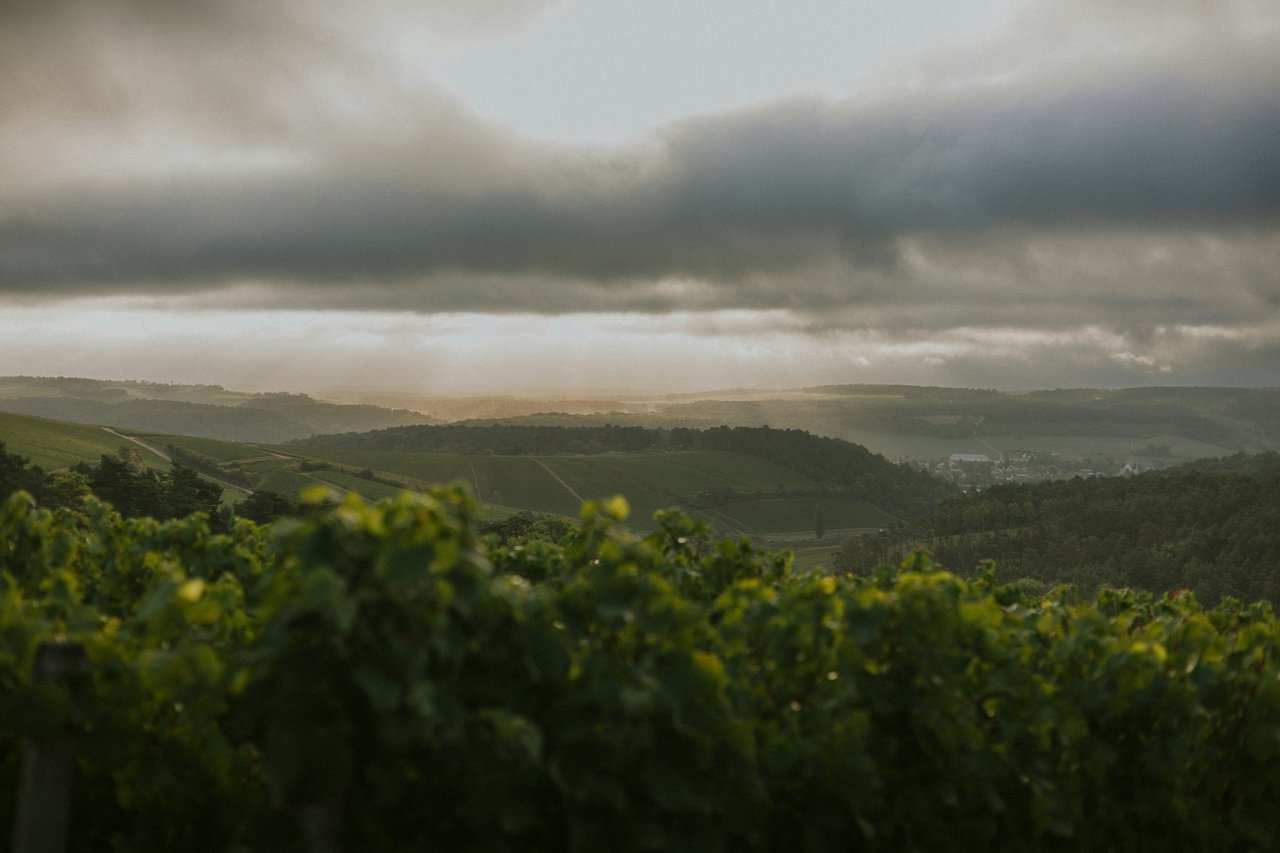
A small vineyard can look simple on paper and still be highly site-sensitive in practice. In the broader Santa Maria Valley AVA context, official federal rulemaking describes a funnel-shaped valley with well-drained soils ranging from sandy loam to clay loam, along with ocean winds that moderate temperatures.
For you, the takeaway is straightforward. In the Los Alamos area, elevation, slope, air drainage, and cold-air movement can matter as much as total acreage.
UC Cooperative Extension has also maintained a vineyard temperature study in Santa Barbara County since 2007 to capture fine-scale variation across vineyard regions. That matters because even nearby sites can differ in frost exposure, heat accumulation, and ripening timing.
When you assess a small vineyard parcel, focus on questions like these:
If your goals include producing or marketing wine, AVA location may matter beyond prestige. AVA names are regulated wine appellations, and parcel location can affect whether grapes grown there may support AVA-based labeling.
That means boundary placement is not just a map detail. It can become part of the property’s business case, branding potential, and future marketability.
TTB guidance also states that an AVA appellation generally requires at least 85 percent of the wine to be made from grapes grown in that AVA, along with compliance with broader labeling rules. For buyers seeking bottle-label value, parcel-level diligence is essential.
For a ranchette, the most appealing properties are often the ones that feel easy to live on and maintain. In Los Alamos, that usually means paying close attention to practical infrastructure rather than assuming rural charm will carry the day.
Look closely at:
Santa Barbara County’s planning work has reinforced the need to think about water, wastewater, drainage, and fire-protection realities in Los Alamos. For you, that means a beautiful parcel should also be measured against ease of use, resilience, and maintenance.
One of the most common mistakes in rural property searches is falling in love with a parcel before verifying what is actually allowed. In unincorporated Los Alamos, the local community plan and Santa Barbara County land-use code are the key references for zoning and use questions.
That is especially important if you are considering vineyard improvements, guest accommodations, agricultural processing, or other secondary uses. County planning work tied to its Agricultural Enterprise Ordinance project shows that Santa Barbara County is actively considering categories such as farmstay, campground, small-scale special events, educational experiences, low-impact camping, and small-scale agricultural processing.
That does not mean every parcel can support those uses. It does mean buyers should evaluate present zoning, use permissions, and development potential before attaching added value to future ideas.
Whether you are buying a lifestyle ranch property or a small vineyard site, a disciplined review can save time and reduce risk. In this area, the strongest purchases usually come from matching the land’s real capabilities to your intended use.
Use this checklist as a starting point:
Los Alamos can be compelling because it offers a distinctive mix of wine-country identity, rural scale, and agricultural potential. It can also be more nuanced than buyers expect, especially when water systems, basin rules, AVA boundaries, and county land-use standards all intersect on one property.
That is why serious buyers benefit from an advisory approach grounded in local agricultural context and transaction experience. The right property is not just attractive on arrival. It is the one that aligns with your goals, supports its intended use, and stands up to careful diligence.
If you are considering ranchettes or small vineyards around Los Alamos, a confidential conversation can help you narrow the field and focus on parcels with the right fundamentals. Connect with Murphy Atkinson to schedule a confidential consultation.
leisure

Wine Tasting
Santa Ynez Lifestyle

leisure

leisure
Santa Ynez Lifestyle
Santa Ynez Lifestyle

AVA
leisure
Immerse yourself in a realm where expertise meets empathy, transactions transform into relationships, and dreams find their home in the heart of California's scenic grandeur.