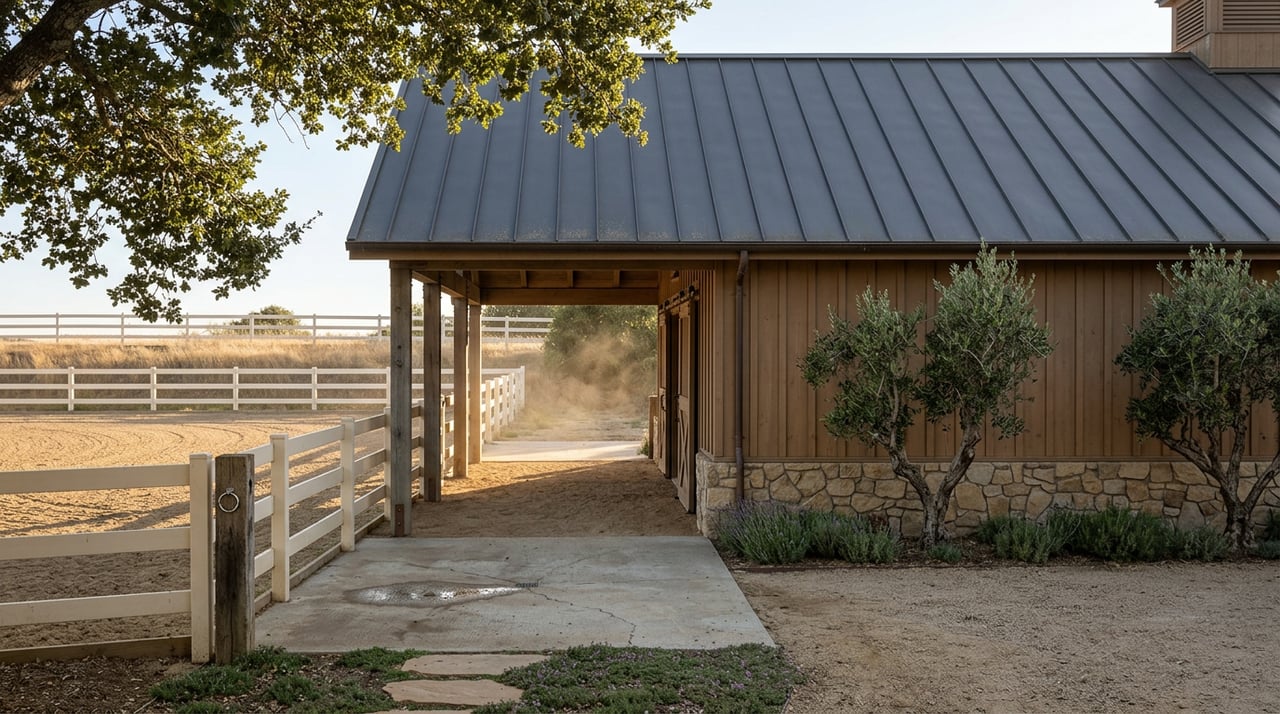
Ballard Equestrian Properties: Best Areas to Search
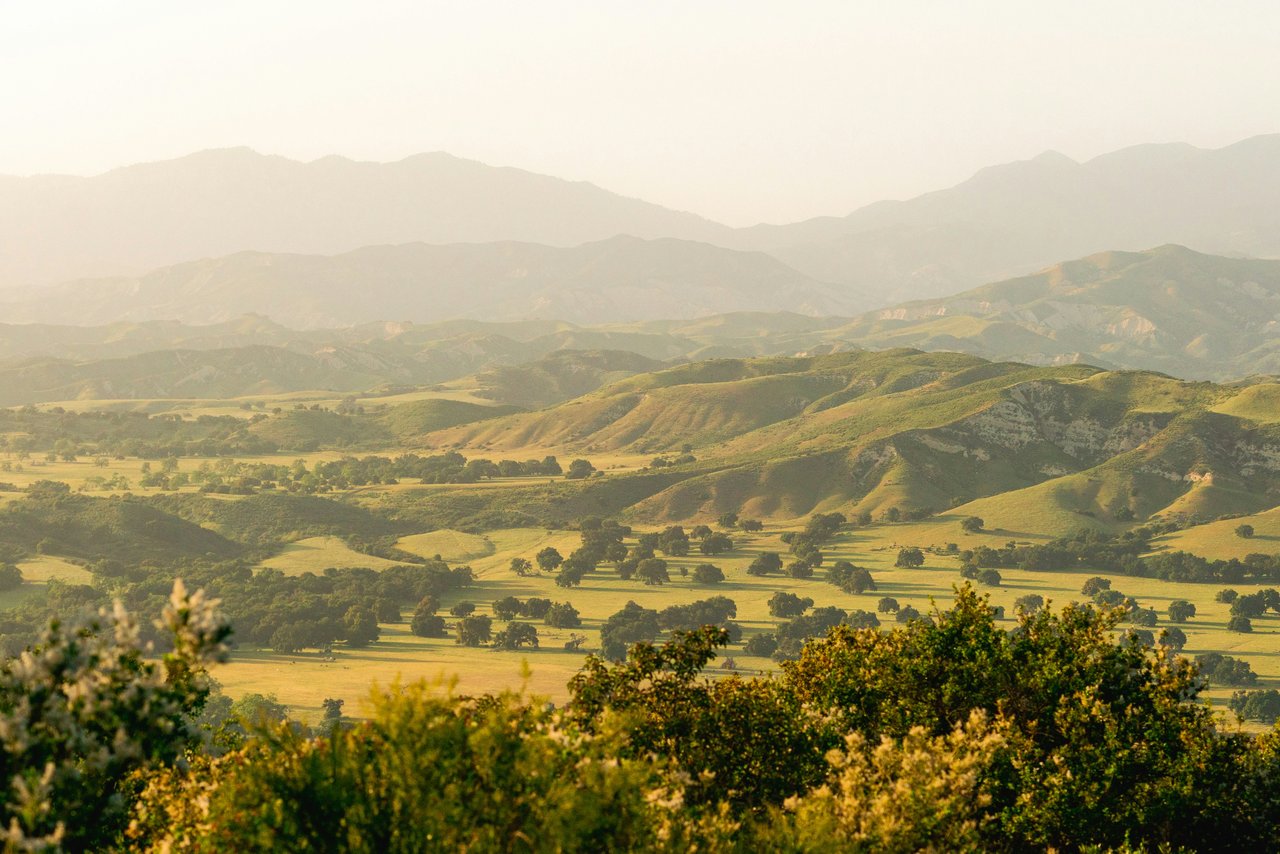
If you love waking up to oak-dotted hills and riding before breakfast, the Ballard area belongs on your short list. You get a rare blend of usable acreage, wine-country charm, and close access to the valley’s equine services. In this guide, you’ll learn exactly where to focus your search, what features to prioritize, and the practical checks that keep a horse property purchase smooth. Let’s dive in.
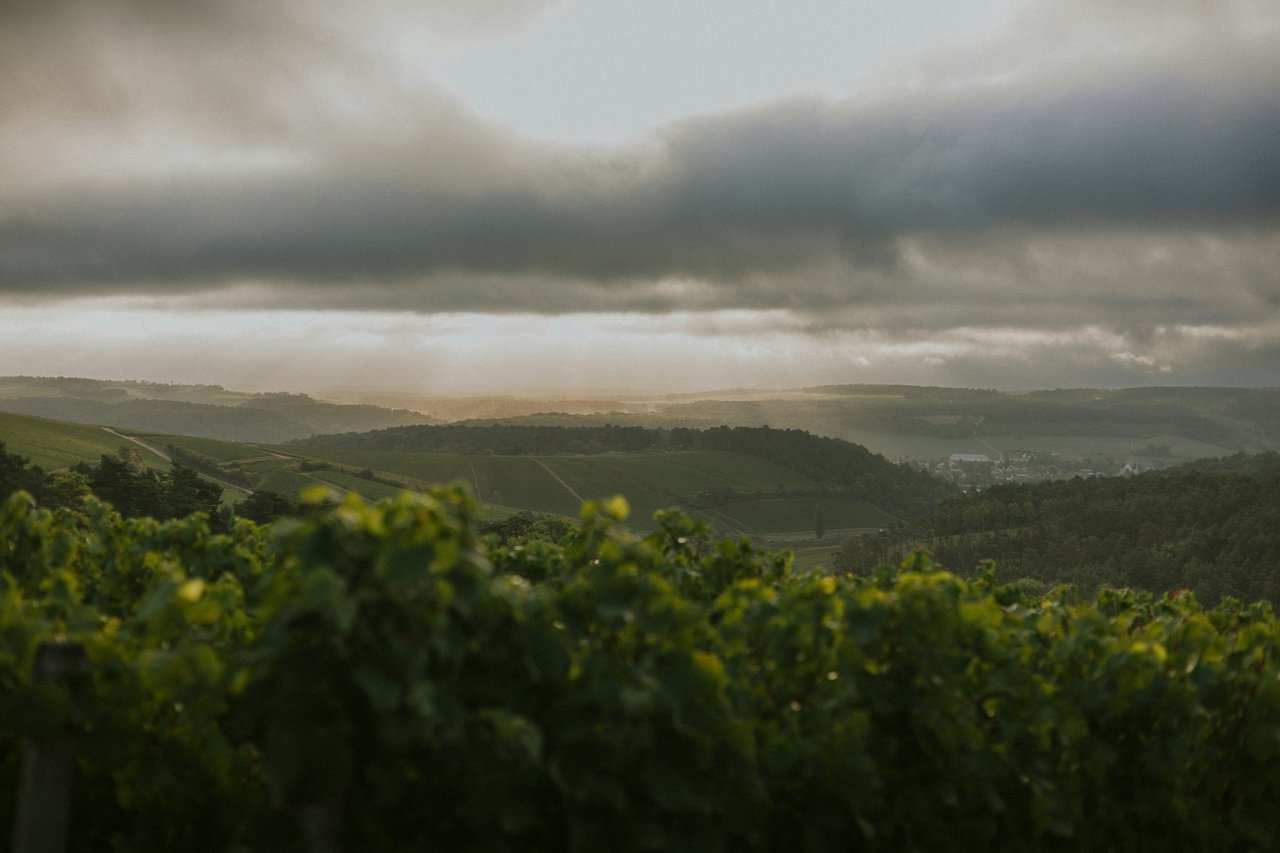
Set in the Santa Ynez Valley, Ballard is a small, historic village with a central location between Los Olivos, Solvang, and Santa Ynez. That placement gives you practical access to daily needs, equine care, and valley amenities within a few miles of home, as noted in the region’s visitor materials. You also sit beside the Ballard Canyon wine-growing area, which helps preserve open land, scenic corridors, and rural character that suit equestrian life. Learn more about Ballard’s setting and valley connectors on the Ballard page and in the Ballard Canyon AVA designation and regional visitor guide.
Several Ballard-area corridors consistently host horse-ready properties. Here is where to focus first.
Immediately around the village, Alamo Pintado Road and Baseline Avenue support a steady mix of small-to-mid hobby farms and estate parcels. You will see 2–10 acre properties with barns, turnouts, and arenas, plus some larger agricultural holdings. Listings here often mention “usable acreage” and call out water sources such as agricultural or domestic meters. The location keeps you close to Los Olivos and Santa Ynez while preserving room for arenas and irrigated pastures.
Running through the heart of the wine region, Ballard Canyon Road features estate-scale parcels that frequently include barns, round pens, and private arenas. Expect 5–20+ acre ranches and occasional hilltop compounds with broad views. Many sellers highlight the canyon’s quiet, rural feel and proximity to valley hubs. For context on the canyon’s protected viticultural landscape, see the Ballard Canyon AVA details.
Head south and southeast toward Santa Ynez and you will find gated equestrian enclaves and larger ranch parcels, often 10 acres or more. These neighborhoods frequently market center-aisle barns, defined riding spaces, and irrigated pastures designed for training or small boarding programs. If you want privacy, room for staff or guests, and a more self-contained operation, this zone is worth a close look.
At the valley’s edges, corridors like Foxen Canyon, Stagecoach Road, and Zaca Creek offer both smaller horse parcels and larger ranchland. Buyers drawn to seclusion, trailer-friendly rural roads, and country views tend to favor these stretches. These routes also tie back toward Ballard and Los Olivos, which makes supply runs and vet trips straightforward even from more private settings.
Across Ballard-area listings, you will see a wide range of acreage and improvements. Keep an eye out for these staples:
Property sizes vary widely. You will find 2–5 acre hobby properties, 5–20 acre estates with multiple turnouts, and 20+ acre ranches set on hilltops or along valley floors. Many parcels are agriculturally zoned, but each site has its own rules. For land-use questions, start with the county’s guidance for the Santa Ynez Valley Planning Area.
Ballard connects via Alamo Pintado Road and Baseline Avenue to Los Olivos and Santa Ynez, with Highway 154 and State Route 246 as the main arterials to the South Coast and neighboring towns. Those routes matter for feed deliveries, hauling to shows, and vet appointments. It pays to plan around seasonal traffic, road work, and towing distances. You can review Ballard’s context and key connectors in the Ballard overview.
For trailer-in riding, the Live Oak area at Lake Cachuma has long been a pillar for local equestrians. It also features in county planning and recent discussions about multi-use access. For a snapshot of recent decisions and community input, see local coverage of Live Oak trail access, and keep an eye on the Santa Ynez Valley Riders update regarding the County Recreation Master Plan. Access rules can change, so always confirm current conditions before you go.
The valley’s signature medical resource is the Alamo Pintado Equine Medical Center, which offers advanced diagnostics, surgery, and 24/7 emergency care within a short drive of Ballard. Explore their services at the Alamo Pintado Equine Medical Center. Private boarding, lesson programs, and sport-horse trainers are distributed across the Los Olivos–Ballard corridor, with many operations along Baseline and Ballard Canyon. A regional directory like this Central Coast boarding and training list can help you map options.
Before you write an offer, work through this practical list so your new property will operate the way you expect.
If you are ready to tour Ballard-area horse properties or want a private consultation on land use, water, and facilities, connect with Murphy Atkinson. We combine equestrian expertise with discreet, high-touch service to help you buy with confidence.
leisure
Wine Tasting
Santa Ynez Lifestyle
leisure
leisure
Santa Ynez Lifestyle
Santa Ynez Lifestyle

AVA
leisure
Immerse yourself in a realm where expertise meets empathy, transactions transform into relationships, and dreams find their home in the heart of California's scenic grandeur.