Living in Los Olivos CA: Inside Wine Country Life
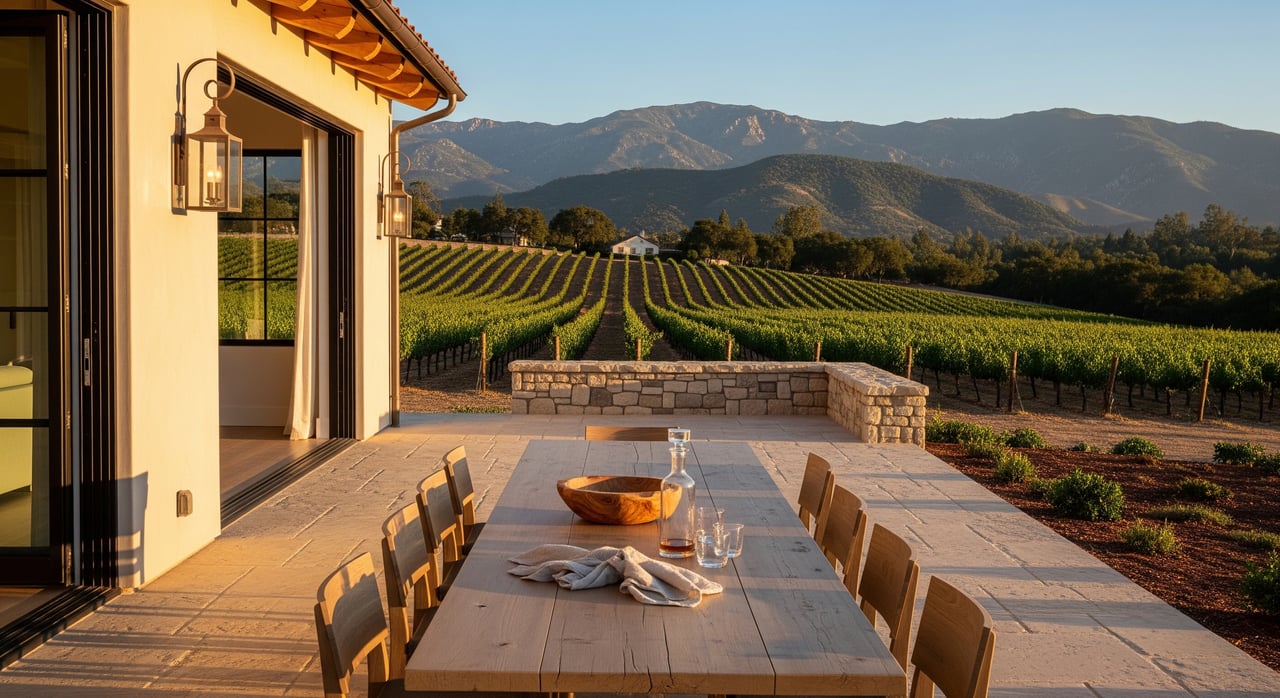
Dreaming of mornings that start with vineyard views and a stroll past art galleries and tasting rooms, then end with a quiet sunset over rolling hills. If you are considering a retreat in the Santa Ynez Valley, Los Olivos offers a rare blend of rural calm, wine culture, and refined country living. In this guide, you will learn how daily life works in a boutique wine village, what to expect from services and access, how the climate shapes recreation and vineyards, and what due diligence matters most before you buy. Let’s dive in.
Los Olivos is a small, unincorporated community with a true village scale. You will find a compact main area with tasting rooms, art galleries, cafés, and a handful of restaurants and inns. The atmosphere is relaxed and personal, with a tight knit local feel. It is a destination for visitors, yet it remains rooted in a rural lifestyle.
The town sits within the larger Santa Ynez Valley wine region, a patchwork of microclimates that support Pinot Noir and Chardonnay in cooler zones and Rhône or Bordeaux varieties in warmer pockets. Many small producers pour in Los Olivos, even if their vineyards or cellars are elsewhere in the valley. Expect a seasonal pulse. Weekends, harvest, and holidays bring more foot traffic, while weekdays often feel quiet and neighborly.
Life here centers on outdoor living, the arts, and food and wine. Community events, winery gatherings, and farmers’ markets anchor the social calendar. Second homes and vacation use are common, so the crowd can shift with the season. If you value privacy, space, and a slower rhythm, the village fits naturally.
Los Olivos provides the basics in a charming package, but it is not a full-service town. You will rely on nearby valley communities for larger grocery runs, big-box retail, and broad medical services. Solvang, Buellton, and Santa Ynez offer most daily needs, while Santa Barbara provides major hospitals and specialty care. Plan errands with short drives and enjoy returning to a quiet home base.
There is a small K-8 school in Los Olivos, and high school students typically attend regional schools in the valley. Always verify current district assignments and school performance with the county or school districts. For many rural parcels, private wells and septic systems are the norm, and municipal water or sewer service can be limited. Confirm service availability, well yield, and septic status for any specific property.
Los Olivos sits inland from the coast with easy access to Highway 101 via valley roads. Drive times are typically within about an hour to Santa Barbara, depending on route and traffic. The Santa Barbara Airport offers regional commercial flights, with additional options in Santa Maria, San Luis Obispo, and Los Angeles. Public transit is limited, so most residents rely on private vehicles. Broadband and cell coverage vary by parcel, and some rural properties use fixed wireless, satellite, or fiber where available.
Urgent care and clinics are available in the valley, while hospitals and specialty services are in Santa Barbara or other regional centers. Fire protection comes from county fire districts and Cal Fire. Response times can be longer on remote acreage, which makes preparedness and defensible space planning important.
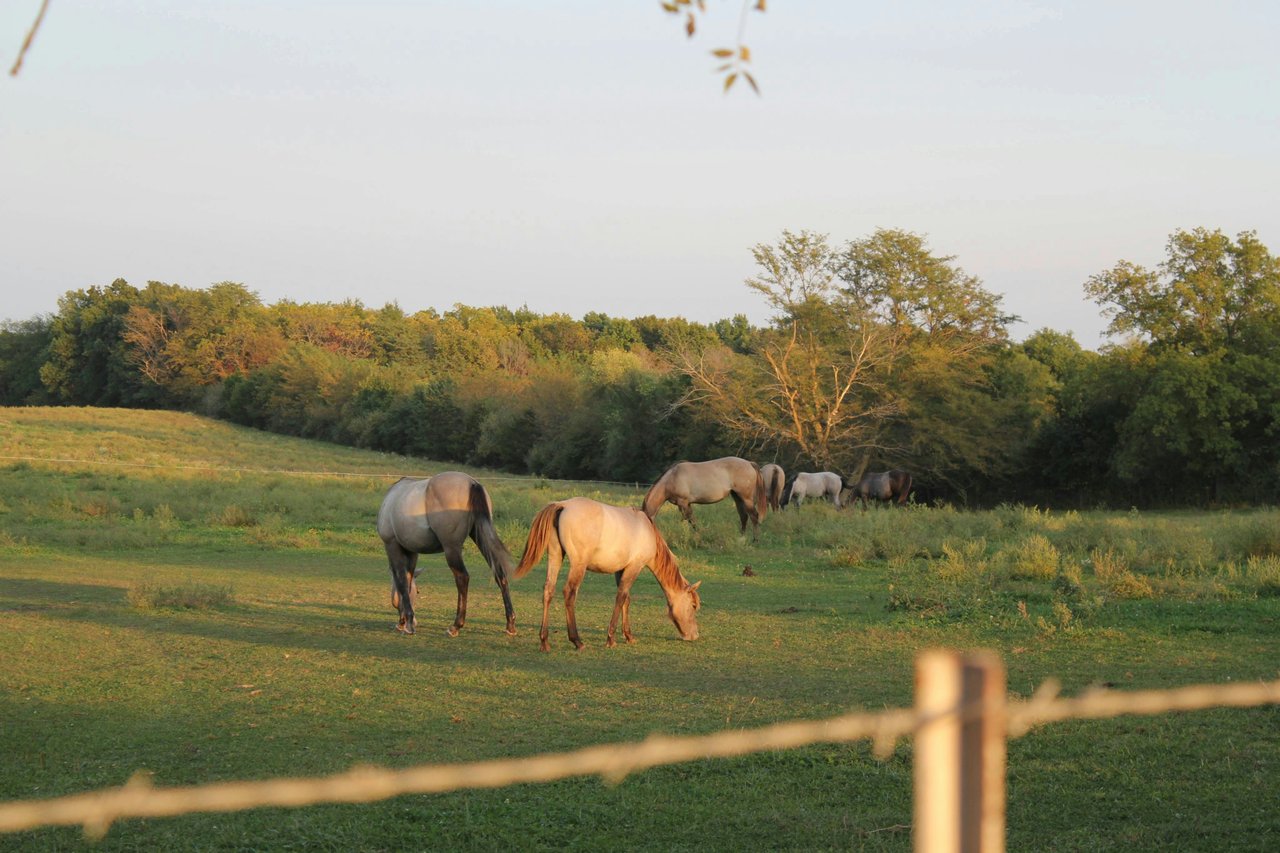
Hiking, cycling, and horseback riding are part of daily life. Local parks and open space are handy for morning loops or weekend picnics. Nojoqui Falls County Park and Lake Cachuma make easy day trips for hiking, boating, and family time. Beaches and coastal state parks are reachable within roughly an hour to 90 minutes, so you can spend a day on the sand and be home for dinner.
The region enjoys warm, dry summers and cool, wetter winters. Summer days can be toasty, with refreshing evening cool-downs. Maritime influence creates cooler pockets in the valley, while inland exposures run warmer. If you plan to plant vines or expand an existing vineyard, microclimate, elevation, and aspect matter for varietal selection and site performance.
Los Olivos offers a spectrum of property types to match different goals:
Lifestyle buyers, second-home owners, equestrian enthusiasts, and winery investors all have a presence in the area. Inventory can ebb and flow with the seasons, and the small market size can create swings in median statistics. Village homes often appeal to buyers who want walkable access to tasting rooms, while view parcels and ranches attract those seeking privacy and scale. For current pricing and trends, work with a local broker who tracks the valley’s submarkets closely.
Los Olivos is a natural choice if you want vines or horses at home. The valley’s microclimates and soils support a range of grape varieties. Operational decisions hinge on water and infrastructure, not just terroir. For equestrian properties, look for usable acreage, well-thought-out access, and barns and arenas designed for daily use and safe circulation.
Many larger properties carry agricultural or rural residential zoning. If you intend to add commercial winery production, a tasting room, event space, or lodging, you will likely need county permits and environmental review. Permit paths depend on parcel size, prior use, neighborhood impacts, and septic or wastewater capacity. Early conversations with county planning and the Agricultural Commissioner help set a realistic timeline and scope.
Private wells and septic systems are common, and they are central to both household and agricultural operations. For vineyards, you will want to review well logs, test yield and quality, and understand any documented irrigation allocations or surface water access. If you plan hospitality or large events, confirm whether existing wastewater systems can support the intended use. Soil, drainage, and erosion controls should be part of your development plan.
Confirm access rights and responsibilities. Many rural parcels share private driveways or easements that require cooperative maintenance. Clarify gate locations, emergency turnaround standards, and any planned improvements. Broadband and cell coverage can vary within short distances, so validate the service at the residence, guest houses, and key outbuildings.
Southern California wine country carries elevated wildfire risk, and Los Olivos is no exception. Some parcels fall within moderate to high hazard classifications. Budget for hardening measures like ember-resistant vents, ignition-resistant materials, and strategic landscaping. Insurance availability and premiums can be influenced by wildfire exposure, so start those conversations early during due diligence.
Test wells for production and quality. Inspect and certify septic systems, and plan for upgrades if you will host events or add bedrooms. For vineyard development, assess soils, slope stability, and stormwater controls. If you anticipate agricultural labor, on-site retail, or food service, review applicable regulations and licensing requirements.
Confirm property tax status and any assessments with the county assessor. Agricultural designations and historical programs like the Williamson Act may apply to certain parcels. If you plan to operate a second home as a vacation rental, research current county rules and permit requirements before you commit.
Proximity to tasting corridors can be a lifestyle advantage, but it may also bring more weekend traffic and parking pressure. If you are considering a home near an operating winery, discuss event schedules, noise, and delivery hours with owners and neighbors. Align the location with your privacy and access preferences.
Los Olivos suits you if you want a village-scale lifestyle with refined wine culture, low-density living, and quick access to outdoor recreation. It is ideal for buyers who prefer space, privacy, and a slower pace, with the understanding that you will drive for larger services. It also works well if you value vineyard or equestrian potential and are comfortable planning around wells, septic, and county permitting. If you need urban amenities at your doorstep or frequent short commutes to a large city, weigh the travel times and limited local services.
If you are exploring an estate, ranch, or vineyard purchase, a grounded plan for water, land use, and operations will set you up for long-term success. For confidential, specialized guidance on Los Olivos and the broader Santa Ynez Valley, start a conversation with Murphy Atkinson.
leisure

Wine Tasting
Santa Ynez Lifestyle

leisure

leisure
Santa Ynez Lifestyle
Santa Ynez Lifestyle

AVA
leisure
Immerse yourself in a realm where expertise meets empathy, transactions transform into relationships, and dreams find their home in the heart of California's scenic grandeur.