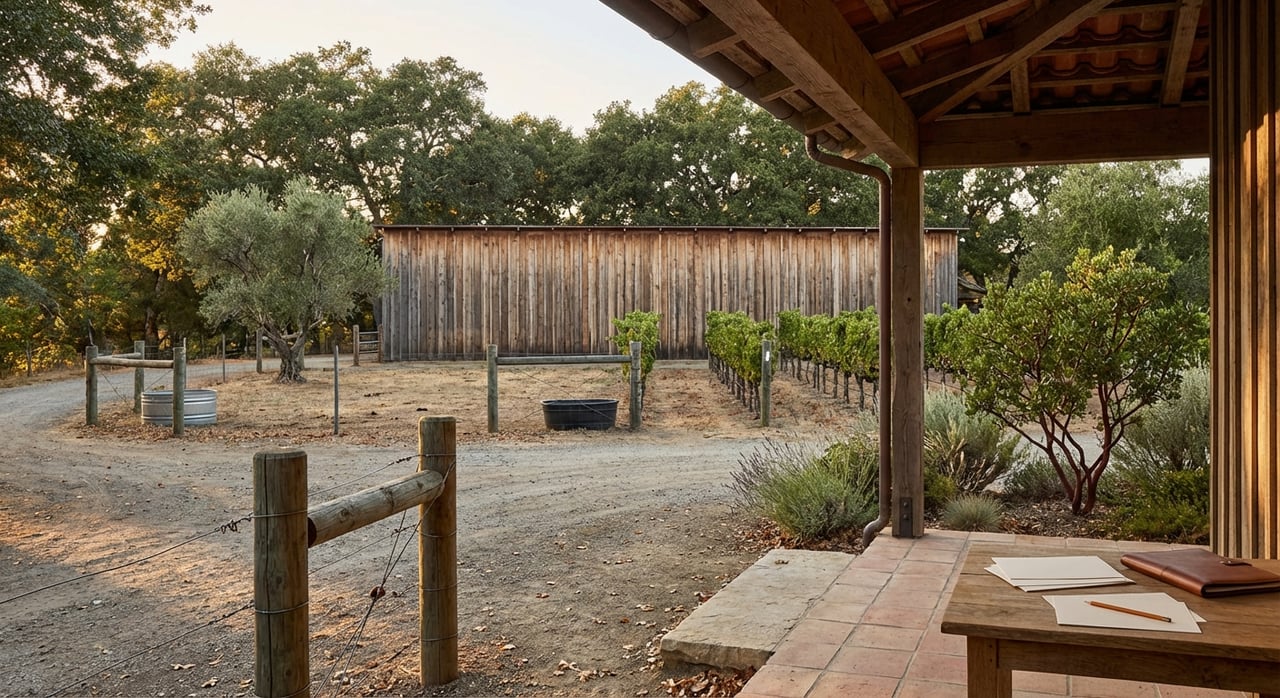
Santa Ynez Ranch Market Trends and Pricing Guide 2026
If you track Santa Ynez ranch listings, you’ve probably noticed the numbers jump around from month to month. One week a turnkey estate trades fast, the next month a large acreage sits. It can be hard to tell what your ranch is really worth or how to price an offer with confidence. In this guide, you’ll learn how to read today’s market, what truly drives value on acreage, and how to time your move. Let’s dive in.
Public trackers put Santa Ynez’s median sale price in early 2026 around the high 1.7 to low 1.8 million range. That figure is useful for direction, not for pricing a specific ranch. The pool of sales is small, and one high-end closing can swing the median. Redfin’s local snapshot shows this volatility clearly.
Local broker commentary echoes the same pattern. Inventory is thin, days on market vary by segment, and results are episodic. Treat headline medians as a headline only, and rely on fresh sold comps, parcel attributes, and agent intel to price with precision. A recent county roundup reinforces this approach and reminds sellers that broad valley metrics are steadier than town-only numbers. See the Santa Barbara market report through December 2025 for broader context.
Ranch and country-estate listings are lumpy. A single $6 million turnkey sale or a new $20–$60 million listing can pull medians up or down. Because Santa Ynez proper has far fewer transactions than the broader Santa Ynez Valley, any one outlier can distort the monthly picture. This is normal for niche, high-value rural markets.
Buyer interest skews toward Southern California, with many second-home, lifestyle, and remote-work buyers looking for privacy, acreage, and a wine-country setting. Agricultural and wine-industry buyers also compete for parcels with plantable or producing vineyard acres. These audiences are selective and tend to move quickly when a property matches a narrow brief.
A meaningful share of high-end rural sales close in cash or through private entities. Cash terms remove financing risk, shorten timelines, and can help a seller favor your offer. If you need financing, strong pre-approval and limited contingencies can help you stay competitive in a cash-heavy segment.
Not all acres are equal. Gentle, usable pasture or plantable vineyard ground carries more value than steep, rocky, or densely treed terrain. Parcels with multiple legal lots, recorded water rights, or a separate guest house can widen your buyer pool and simplify operations.
Water is a primary value driver. Many ranches rely on private wells, so you should verify production, storage, and reliability. The Santa Ynez River Valley basin is managed under California’s SGMA rules. The Central Management Area GSA has an adopted Groundwater Sustainability Plan and assesses pump and acreage fees. Before you buy or sell, confirm whether your parcel lies in a managed area and how current or future pumping rules could affect operations. Start with the CMA Groundwater Sustainability Plan.
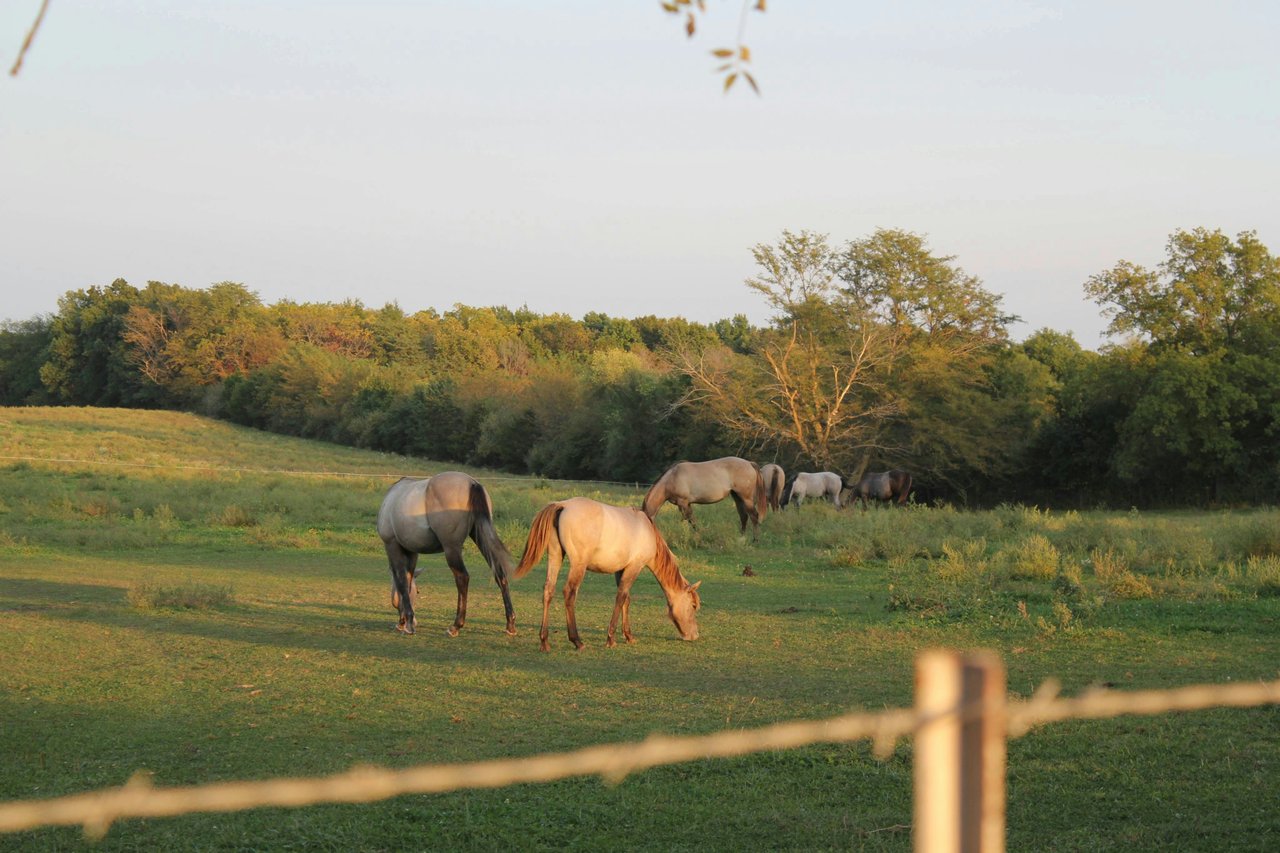
Purpose-built equestrian improvements can shorten time to market and command a premium from horse-focused buyers. Barn construction, stall count, covered or indoor arenas, fencing quality, and reliable stock water all matter. For non-equestrian buyers, heavy facilities can read as added upkeep, which may temper appeal.
The Santa Ynez Valley includes several nested AVAs with a notable east-to-west climate shift. Cooler areas favor Pinot Noir and Chardonnay, while central and eastern pockets tilt toward Rhône and Bordeaux varietals. Being inside a desirable AVA or having a proven production record can lift per-acre pricing. For background on the region’s AVAs and climate gradient, see this overview of Santa Barbara County wine.
Many valley parcels are zoned for agriculture, and some benefit from Williamson Act contracts that can lower property taxes in exchange for long-term agricultural use. Zoning limits density and non-ag uses, which protects open space but also shapes highest-and-best-use. Always check recorded zoning, overlays, and any Williamson Act contracts on title. Review county references tied to the Santa Ynez Valley Community Plan and ag policies via the Santa Barbara County legislative record.
Onsite wastewater systems are regulated regionally. Upgrades for guest capacity, events, tasting rooms, or farm-stay uses can trigger more complex permitting and higher-cost solutions. If your vision includes hospitality or visitor-serving elements, factor septic permitting and Central Coast Water Board review into your plan. Start with the regional OWTS guidance from the Central Coast Water Board.
Santa Barbara County’s effective property tax rate often falls near 1.05 to 1.2 percent, before special assessments. A qualifying Williamson Act contract can reduce the assessed value for ag use, lowering the tax bill. For county trends and context, see Santa Barbara County tax data.
Turnkey, design-forward ranches with pool, modern main house, guest spaces, and equestrian setups can trade at a premium compared with raw acreage. For example, national coverage highlighted a roughly 20-acre Santa Ynez ranch that sold around $6 million in 2023. See the reporting on the Jenni Kayne ranch sale.
Per-acre values for planted vineyards swing widely based on varietal fit, water, yields, and production history. When underwriting, pair recent vineyard comps with operational records. A useful starting point is this roundup of vineyard comp examples to understand how plantings, water, and production shape value.
Santa Ynez proper has fewer sales than the broader valley, so month-to-month town medians are jumpy. For a realistic pricing view, include valley-wide comps and filter for acreage, water profile, use rights, and improvements. Then adjust for location and operational attributes.
Mortgage rates dropped from prior peaks and averaged near 6.1 percent in early February 2026, which helps affordability compared with 2023–2024. This shift tends to matter more to financed buyers than to cash buyers who already dominate many rural luxury transactions. Track rate moves as you plan. Reference: early 2026 rate snapshot.
Ranch inventory is episodic. If you are selling, expect a multi-month runway and invest in presentation that speaks to your likely buyer profile. If you are buying, be ready with diligence and trusted vendors so you can move when the right fit appears. Local market commentary underscores the value of targeted, quality marketing in this niche. See the regional market report.
Ready to align your strategy with your goals in Santa Ynez? For confidential guidance on valuation, positioning, and timing, reach out to Murphy Atkinson. Schedule a confidential consultation.
leisure
Wine Tasting
Santa Ynez Lifestyle

leisure

leisure
Santa Ynez Lifestyle
Santa Ynez Lifestyle

AVA
leisure
Immerse yourself in a realm where expertise meets empathy, transactions transform into relationships, and dreams find their home in the heart of California's scenic grandeur.