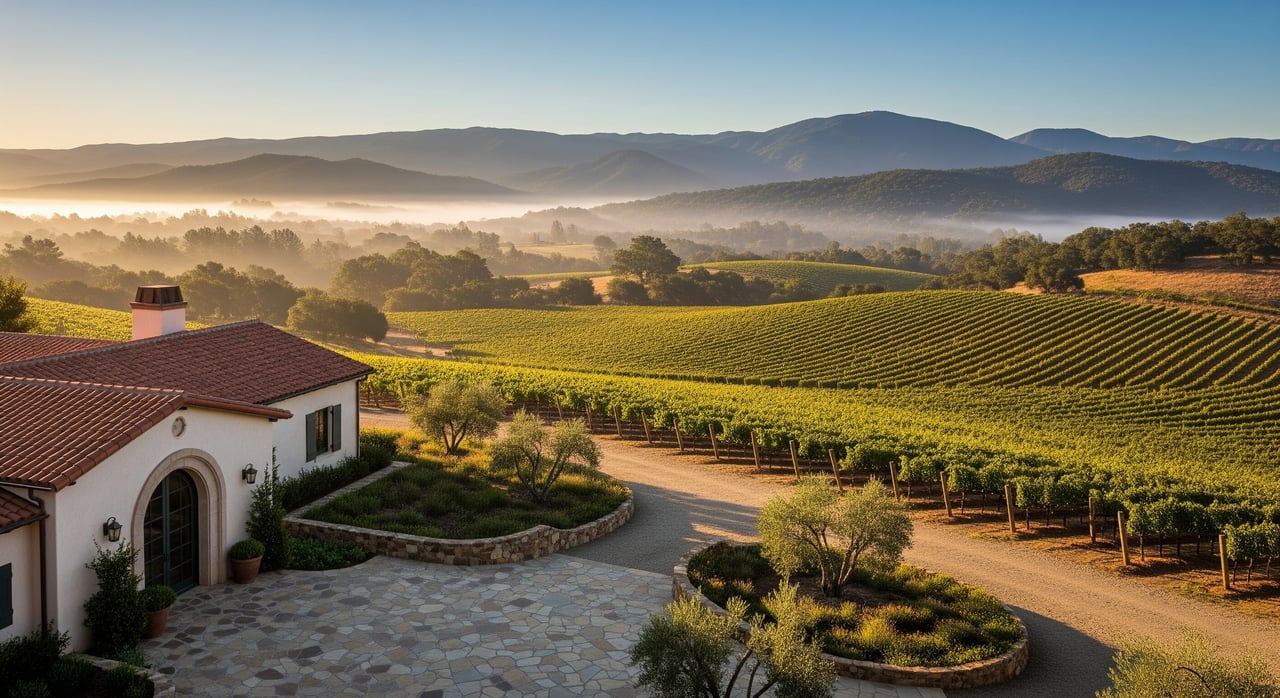
Understanding Santa Ynez Microclimates for Estates & Vineyards
What if one side of your future vineyard ripens a week later than the other, or your dream patio feels breezy in July and frosty in April? In the Santa Ynez Valley, small shifts in terrain and exposure create real differences in temperature, fog, wind, and water. If you understand these microclimates, you can choose a parcel that fits your vines and your lifestyle. This guide walks you through the patterns that matter, how they vary across the valley, and what to check before you buy. Let’s dive in.
Microclimates determine what you can plant, when you harvest, and how comfortable daily life feels on the property. They influence vineyard risks like frost and heat spikes, and estate concerns like wind exposure and energy needs. In Santa Ynez, the east to west valley orientation invites marine air inland, which sets up clear zones that you can use to your advantage.
The Santa Ynez Valley runs east to west, which channels cool ocean air far inland. As you move from the coast toward the interior, you typically see less fog, warmer afternoons, and lower humidity.
Western subzones near the coast are the coolest and most fog influenced. You see slower ripening, later harvest windows, and higher morning humidity. This area generally favors Pinot Noir and cool‑climate Chardonnay, with careful canopy work to manage mildew and Botrytis pressure.
Central areas such as Los Olivos District and Ballard Canyon tend to be intermediate. Days are warm, nights are cool, and winds often keep canopies drier. Rhône varieties like Syrah, Grenache, and Mourvèdre do well here, along with Chardonnay in select sites.
Farther east, including Happy Canyon and similar exposures, sites run warmer and drier. Budbreak and harvest are earlier, fungal pressure is lower, and water efficiency becomes more important. Cabernet Sauvignon, Merlot, and Petit Verdot are common choices, with canopy shading to avoid sunburn on fruit.
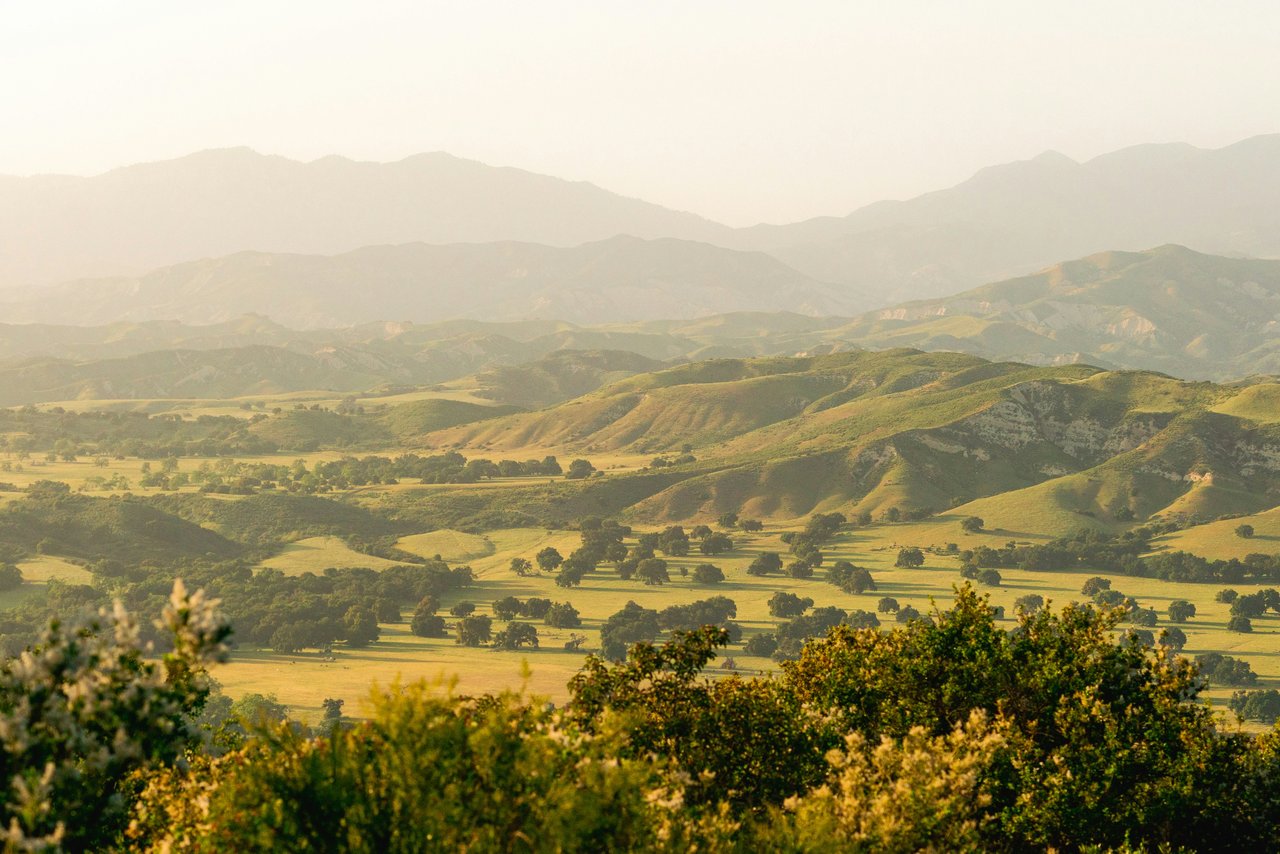
Elevation, slope, and aspect can amplify or soften the broad west to east pattern. Ridgetops and mid slopes often avoid cold‑air pooling that settles in low pockets. South and southwest aspects receive more sun and warm faster, while north aspects run cooler and can delay ripening.
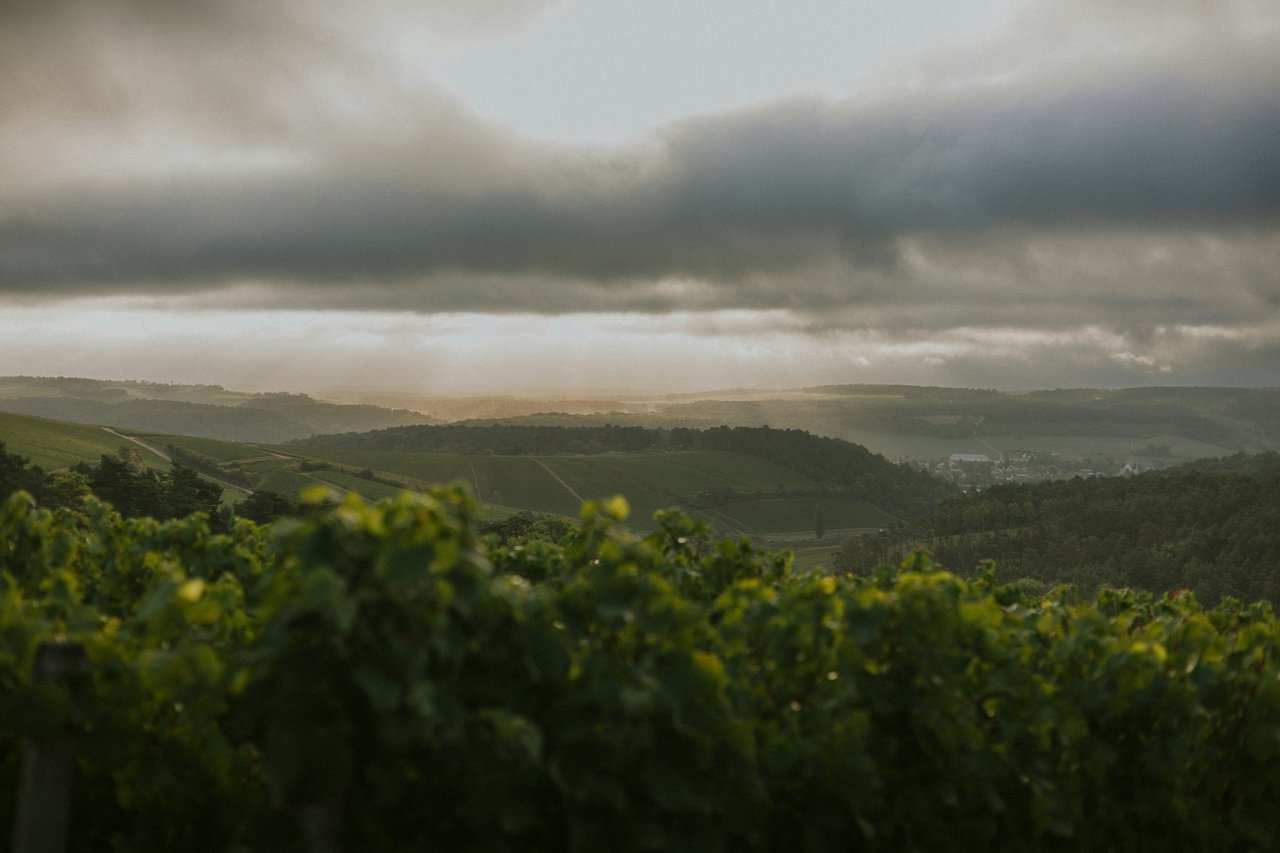
Cool ocean air and the marine layer often arrive in late spring and summer, especially in the mornings. Western sites feel this most, which helps retain acidity and build delicate aromatics. The tradeoff is more frequent fog and humidity, so vineyards and landscaping benefit from good airflow and drainage.
Afternoon sea breezes move inland along the valley, then ease or reverse overnight. Moderate winds can reduce disease and frost risk by mixing the air. Stronger winds increase evaporative demand, which affects irrigation and comfort, so you may want wind breaks or sheltered outdoor areas.
Frost risk is highest in low‑lying benches and pockets on clear, calm nights in spring and fall. Western zones may see fewer severe radiational frosts, but cold snaps are still possible. Where frost risk is moderate to high, consider fans, sprinklers, and row orientation that allow cold air to drain through the block.
Soils range from sands and loams to shale and calcareous mixes, with occasional clay lenses. Well‑drained soils on slopes support high‑quality viticulture and reduce pooling of cold air. Poor drainage can increase disease pressure, limit root development, and elevate frost vulnerability.
The region has a Mediterranean climate with wet winters and dry summers, plus periodic drought. Most vineyards and estates rely on groundwater or stored supplies, so long‑term water planning matters. Wildfire and late‑season smoke can affect vintage outcomes and air quality, which means building defensible space and having filtration and contingency plans.
AVA boundaries reflect typical combinations of climate, topography, and soils. Treat AVA membership as a guide rather than a guarantee. Verify site‑level conditions with data, site walks, and expert assessment before committing to a planting plan or estate layout.
If you align varietal goals, estate comfort, and risk management with the valley’s microclimates, you set yourself up for long‑term success. Start with data, test assumptions on the ground, and tailor your design to the parcel’s natural patterns. For discreet, local guidance on parcels across the Santa Ynez Valley, connect with Murphy Atkinson for a confidential consultation.
leisure
Wine Tasting
Santa Ynez Lifestyle

leisure

leisure
Santa Ynez Lifestyle
Santa Ynez Lifestyle

AVA
leisure
Immerse yourself in a realm where expertise meets empathy, transactions transform into relationships, and dreams find their home in the heart of California's scenic grandeur.