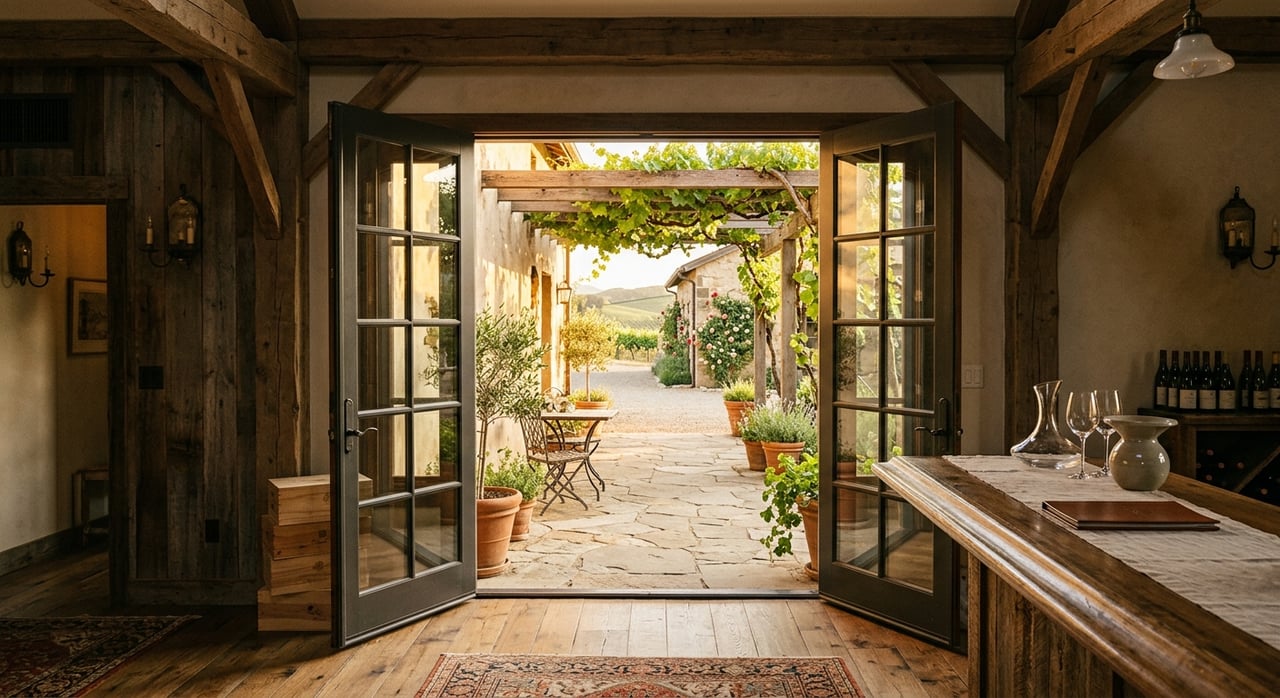
Los Alamos Vineyard Investment: What Buyers Should Know
What makes Los Alamos interesting to investors is not scale. It is precision. In this part of Santa Barbara County, vineyard and hospitality opportunities tend to hinge on micro-location, water feasibility, and a business concept that fits the corridor rather than forcing a generic wine-country model onto it.
If you are evaluating land, an existing hospitality asset, or a mixed-use vineyard concept in Los Alamos, you need a clear view of what drives value and what can slow a deal down. This primer walks you through the AVA context, hospitality pattern, entitlement framework, and key diligence issues so you can approach the market with more confidence. Let’s dive in.
Los Alamos is best understood as a focused micro-region, not a broad countywide wine story. The key lens is Alisos Canyon, an American Viticultural Area in Santa Barbara County within the Central Coast AVA, established on August 25, 2020.
According to the TTB final rule, the area lies north of U.S. Highway 101, with Santa Maria Valley AVA to the north and Santa Ynez Valley AVA to the south. At establishment, the AVA covered about 5,774 acres and included nine commercially producing vineyards, about 238 planted vineyard acres, and one winery.
That matters because Los Alamos does not read as a mass-market vineyard corridor. It reads as a site-driven market where parcel identity, drainage, and operating model can shape outcomes more than broad regional branding alone.
The Alisos Canyon AVA gives Los Alamos a distinct investment frame. Rather than leaning on a countywide label, properties here are often judged by how well they express a very particular subregion.
For you as a buyer or investor, that means location analysis should go beyond a mailing address. Vineyard suitability, access, topography, and how a parcel fits the canyon and Highway 101 corridor can all affect long-term appeal.
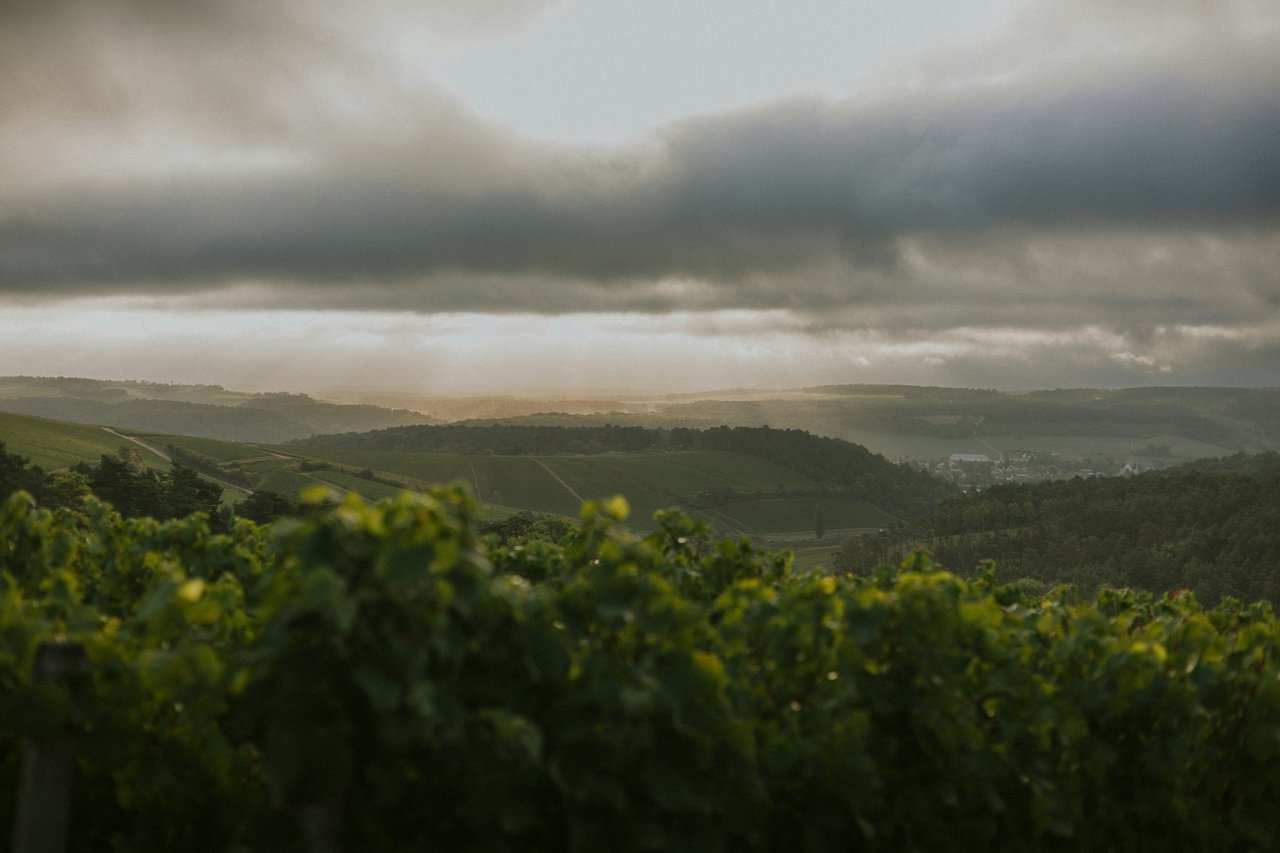
TTB describes Alisos Canyon as a marine-influenced transitional zone. Cool marine air moves inland through the San Antonio Creek drainage system, while temperatures warm as that air travels farther inland.
The area sits roughly 25 miles from the ocean. In practical terms, that creates a middle-ground climate profile that differs from cooler nearby coastal influences and warmer inland areas.
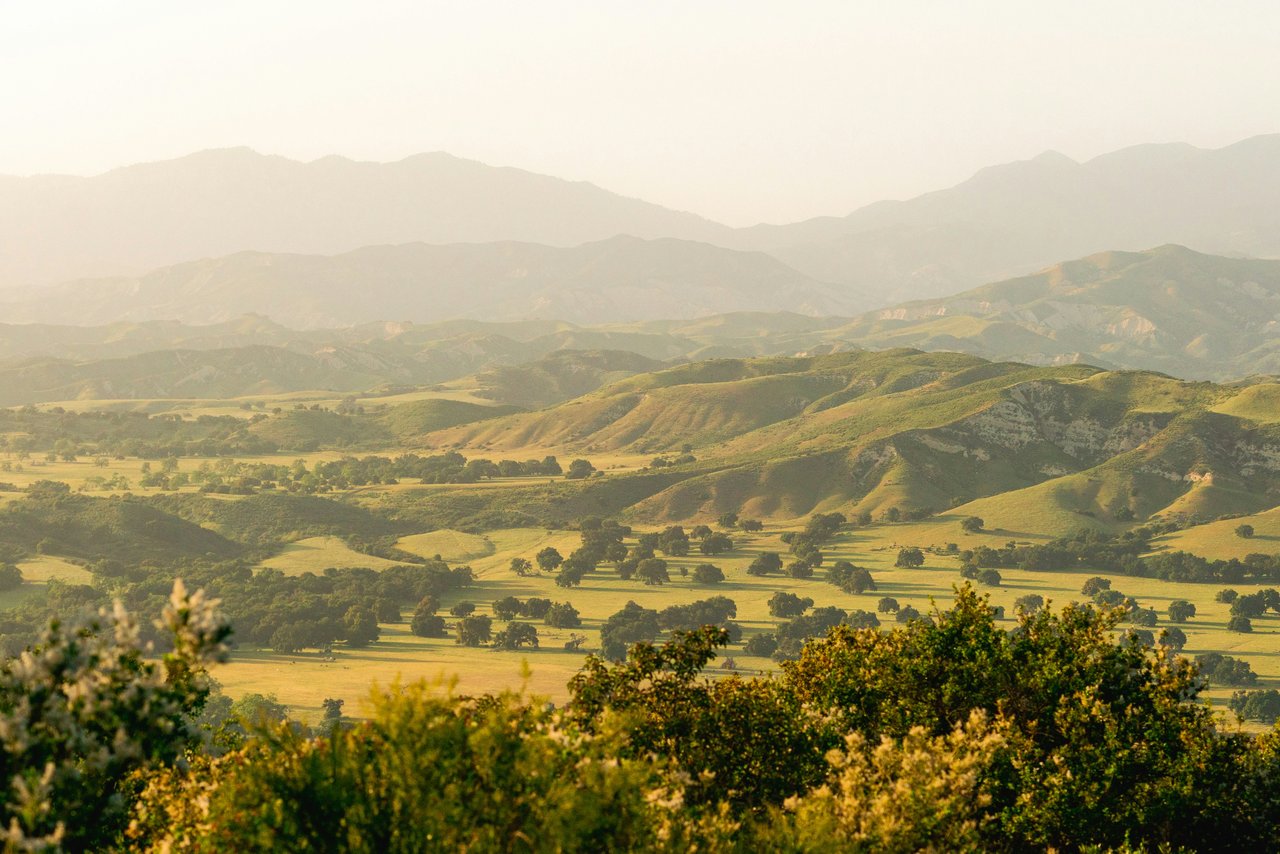
TTB reports that Alisos Canyon soils are primarily derived from sandstone and shale, with Paso Robles Formation and Careaga Sandstone among the most common. It also notes meaningful variation around the area, including sandier soils to the north, Mertz fine sandy loam to the south, and serpentine- and chert-derived soils to the east.
For investors, that supports a simple takeaway: not all land in and around Los Alamos should be evaluated the same way. Site selection and drainage-aware planning deserve early attention, especially when a property’s value thesis includes vineyard planting or expansion.
Los Alamos functions less like a sprawling winery district and more like a compact hospitality node centered on Bell Street and the U.S. 101 corridor. Visit Santa Barbara describes Bell Street as home to dining, boutiques, wine-tasting bodegas, and arts-oriented spaces.
Visit California also places Los Alamos as a stop between Santa Barbara, the Santa Ynez Valley, and the Santa Maria Valley. That positioning matters because it supports pass-through visibility and regional tourism crossover.
The current mix of businesses points toward a hospitality model built around experience. Bell’s is a Michelin-starred French-inspired bistro, Bodega Los Alamos blends wine, beer, goods, open-air gathering space, private events, and weddings, Skyview Los Alamos offers a 33-room boutique hotel with a public restaurant and bar plus a working vineyard and event buyouts, and the 1880 Union Saloon adds food, drinks, brunch, and winemaker dinners.
Taken together, the market appears to reward layered hospitality concepts. A property that combines lodging, food and beverage, event programming, or vineyard identity may align more closely with local demand patterns than a stand-alone tasting room with little else attached.
Los Alamos does not operate in isolation. Visit California notes more than 50 tasting rooms in Los Olivos, while the broader route continues through Santa Ynez and Santa Maria Valley wine destinations.
That means your property may benefit from existing wine-tourism traffic, but it also means guests have choices. In this setting, thoughtful positioning matters. Distinct design, service, and sense of place can be as important as acreage.
In rural Santa Barbara County, hospitality and agricultural uses are closely tied to county approvals. Santa Barbara County’s AEO planning framework lists agritourism and processing uses such as farmstay, campground, small-scale special events, educational experiences and opportunities, low-impact camping area, and small-scale agricultural processing.
The County’s Draft Program EIR states that these uses are intended for AG-II land in rural unincorporated county areas. It also notes that incidental food service is contemplated for winery tasting rooms on AG-I land.
County winery code treats tasting rooms as incidental, accessory, and subordinate to the primary winery production facility. The code also applies tiered approvals and limits tied to tasting-room size, event frequency, attendance, and food-service requirements.
That is a major practical point for investors. If your business plan depends on events, dining, or guest-facing activity, you should test the concept against the property’s zoning and approval path before underwriting projected revenue.
Some Los Alamos opportunities may appear straightforward on paper, especially when a parcel offers charm, frontage, or vineyard potential. In reality, conversion or expansion plans can turn on detailed county review.
The safest approach is to treat land use as part of acquisition diligence, not as a post-closing assumption. A beautiful setting does not automatically translate into approval for the use you have in mind.
The Los Alamos Community Services District provides water treatment and distribution as well as wastewater collection and treatment for about 550 water and wastewater connections. That gives you useful context for the scale of public utility service in town.
For assets within service boundaries, understanding capacity and connection realities is still essential. For assets outside town, the water conversation usually becomes more complex.
Beyond town limits, the San Antonio Basin Groundwater Sustainability Agency manages the San Antonio Creek Valley Groundwater Basin, which it describes as roughly 123 square miles and medium-priority. USGS reports that groundwater is the primary source for agricultural irrigation, for the town of Los Alamos, and for supplemental water to Vandenberg Space Force Base.
USGS also found 453,300 acre-feet of groundwater storage depletion over 1948 to 2018, with agricultural pumpage identified as the largest discharge. That history should put water at the center of your diligence process.
Santa Barbara County’s AEO Draft Program EIR identifies hydrology and water quality, septic systems, transportation, and public services among the issues under review for projects. In other words, water feasibility rarely stands alone.
A parcel may look compelling from a brand or guest-experience standpoint, but utility, wastewater, and access constraints can materially affect timing, cost, and even whether a concept is feasible at all.
The best-fit opportunities in Los Alamos often have three things in common:
This is one reason Los Alamos tends to suit small-scale, premium, site-specific development more than commodity-style hospitality. The market appears strongest where the real estate, the land-use path, and the guest experience all reinforce one another.
Before you move from interest to offer, focus on the issues that can change value most quickly:
In Los Alamos, these are not minor details. They are often the difference between a smooth path and a costly reset.
Los Alamos rewards careful strategy. Because vineyard potential, hospitality programming, entitlements, and infrastructure all interact, buyers often benefit from an advisor who understands both land value and transaction structure.
That is especially true for off-market opportunities, large-acreage holdings, hospitality conversions, or properties where agricultural and guest-facing uses need to work together. In a market this nuanced, local knowledge and development-aware guidance can help you see risk earlier and negotiate from a stronger position.
Whether you are pursuing a boutique lodging concept, a vineyard-forward estate, or a hospitality asset with expansion potential, the goal is the same: align the property with a realistic business model and a clear approval path. If you are considering Los Alamos or the wider Central Coast vineyard and hospitality market, Murphy Atkinson offers confidential, high-touch guidance grounded in local agricultural knowledge, land-use awareness, and complex deal experience.
leisure
Wine Tasting
Santa Ynez Lifestyle

leisure

leisure
Santa Ynez Lifestyle
Santa Ynez Lifestyle

AVA
leisure
Immerse yourself in a realm where expertise meets empathy, transactions transform into relationships, and dreams find their home in the heart of California's scenic grandeur.