Experience Los Alamos California Living in Wine Country
If you are looking for a wine-country town with real history, Los Alamos stands apart. This small Santa Barbara County community pairs a preserved Western streetscape with a surprisingly strong food and wine scene, all set within rolling agricultural land. Whether you are planning a visit, considering a move, or exploring a country property nearby, Los Alamos offers a distinct sense of place. Let’s take a closer look.
Los Alamos is an unincorporated community in northern Santa Barbara County, set within a largely agricultural landscape of rolling hills and nearby wine-country towns. According to Santa Barbara County community planning materials, Bell Street, also known as State Route 135, serves as the town’s downtown spine and main transportation corridor.
What makes Los Alamos memorable is its scale. Visit Santa Barbara describes it as a compact seven-block main street, which gives the town an easy, intimate feel. In a region known for scenic drives and rural acreage, that kind of concentrated downtown is part of its appeal.
Los Alamos was founded in 1876 by John S. Bell and Dr. James Barron Shaw, according to the Los Alamos Valley Men’s Club history project. That 19th-century origin still shows up clearly in the town’s identity today.
Bell Street, in particular, carries much of that historic character. A county environmental review describes the corridor with unusual detail, noting historic buildings, flags, boulders, wooden sidewalks, planters, and historic light fixtures that create a distinctly Western feel. The same review describes the area as quaint and rural in character.
That heritage is not just architectural. It also remains part of local tradition through Old Days, an annual celebration that honors and preserves Los Alamos’ Western identity. As highlighted by Santa Maria Valley event information, Bell Street becomes the setting for the parade route, classic car show, artisan booths, and food events.
For many people, Los Alamos makes its first impression on Bell Street. The downtown core blends tasting rooms, restaurants, antique browsing, and casual walking into a short stretch that feels both relaxed and destination-worthy.
Visit Santa Barbara notes that the town offers a big taste of the foodie movement, along with wine tasting, beer tasting, and picnic-friendly stops. That is a big part of why Los Alamos often appeals to people who want a slower pace without giving up interesting places to dine and gather.
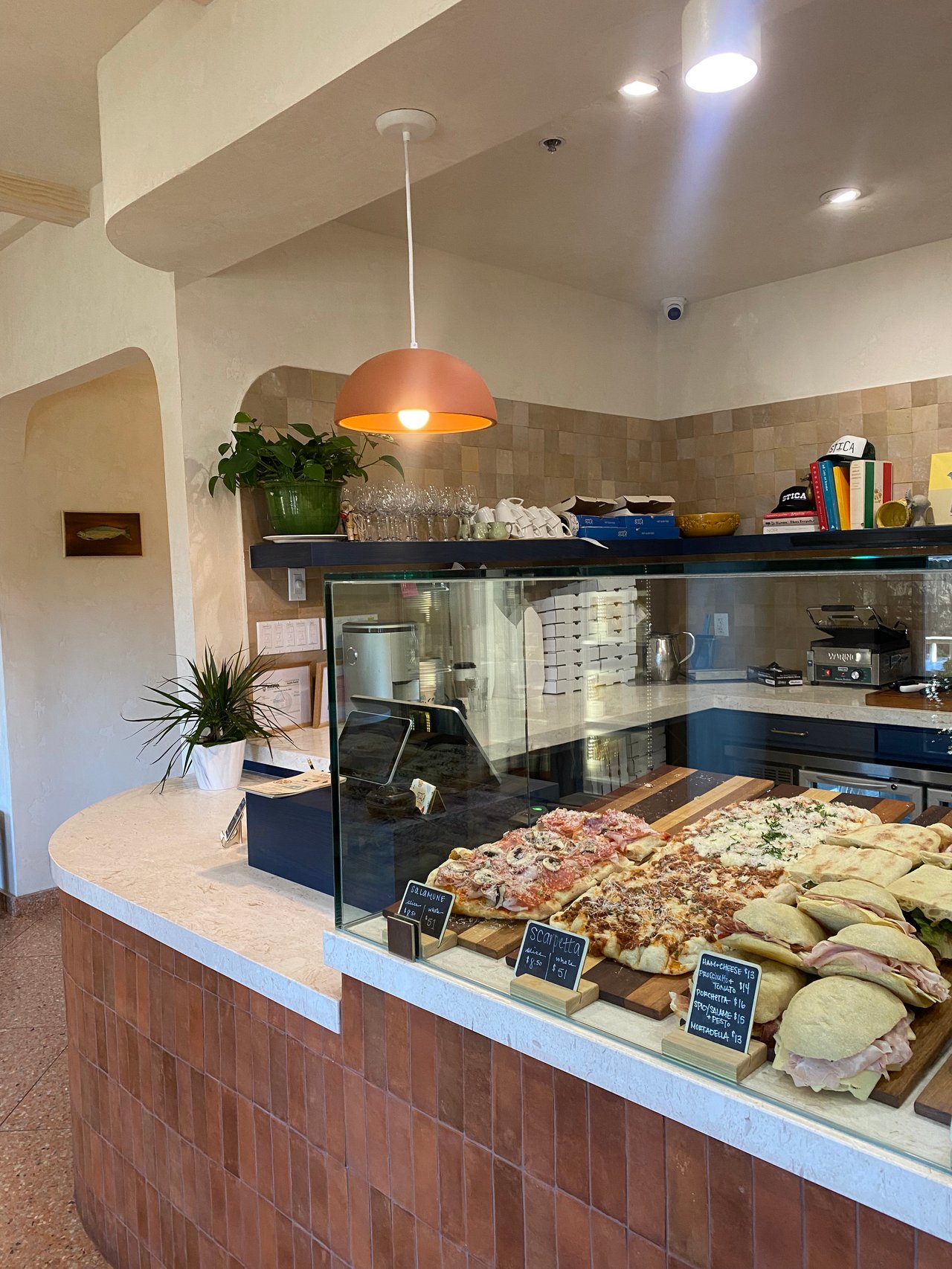
Several well-known businesses are clustered along Bell Street, helping create a highly browsable corridor. Bell’s at 406 Bell Street is one of the town’s best-known dining anchors, and both Visit Santa Barbara and Visit the Santa Ynez Valley identify it as a Michelin-starred French-inspired bistro on historic Bell Street. Nearby, Bodega is located at 273 Bell Street, while Lumen Wines and Pico are both at 458 Bell Street, and Bob’s Well Bread sits at 550 Bell Street.
Because these destinations are so close together, Los Alamos feels easy to experience in a single afternoon or weekend. You can move from coffee or bread to wine tasting, then dinner, without needing to cover much ground.
Los Alamos is not only a stop along the way. It also works as a place to settle in for a weekend and enjoy the surrounding wine-country setting.
Skyview Los Alamos adds lodging to the mix with 33 guest rooms, a working vineyard, an adults-only pool, and the Norman restaurant and bar. For visitors, that combination reinforces the retreat-like atmosphere that draws so many people to this part of Santa Barbara County.
Timing matters when you plan a stay. Visit Santa Barbara notes that many venues close early midweek, while the monthly Third Saturday Stroll offers another reason to visit when the town is especially active.
A common question about Los Alamos is whether it is walkable. The short answer is yes in the downtown core, with the added context that some areas still reflect the town’s rural roadside layout.
The seven-block main street makes the center of town easy to explore on foot, and Bell Street connects residential areas, downtown businesses, and Olga Reed Elementary School. At the same time, Caltrans project materials and environmental review documents explain that pedestrian access has needed improvement, especially along stretches where continuous sidewalks are missing.
That is changing through the Connected Community project. Caltrans says planned improvements include continuous sidewalks, buffered bike lanes, curb ramps, crosswalks, benches, and lighting along Bell Street and Centennial Street to improve access between homes, downtown businesses, and school. For buyers and visitors alike, that effort signals continued investment in day-to-day usability while preserving the town’s character.
Part of Los Alamos’ charm is that it does not try to be overbuilt or overprogrammed. The outdoor experience here stays simple and tied to the surrounding rural setting.
For a casual afternoon, Visit Santa Barbara points to Ferrini Park as a local picnic spot with volleyball courts. Santa Barbara County also lists Los Alamos Park as a North County day-use park through its parks system.
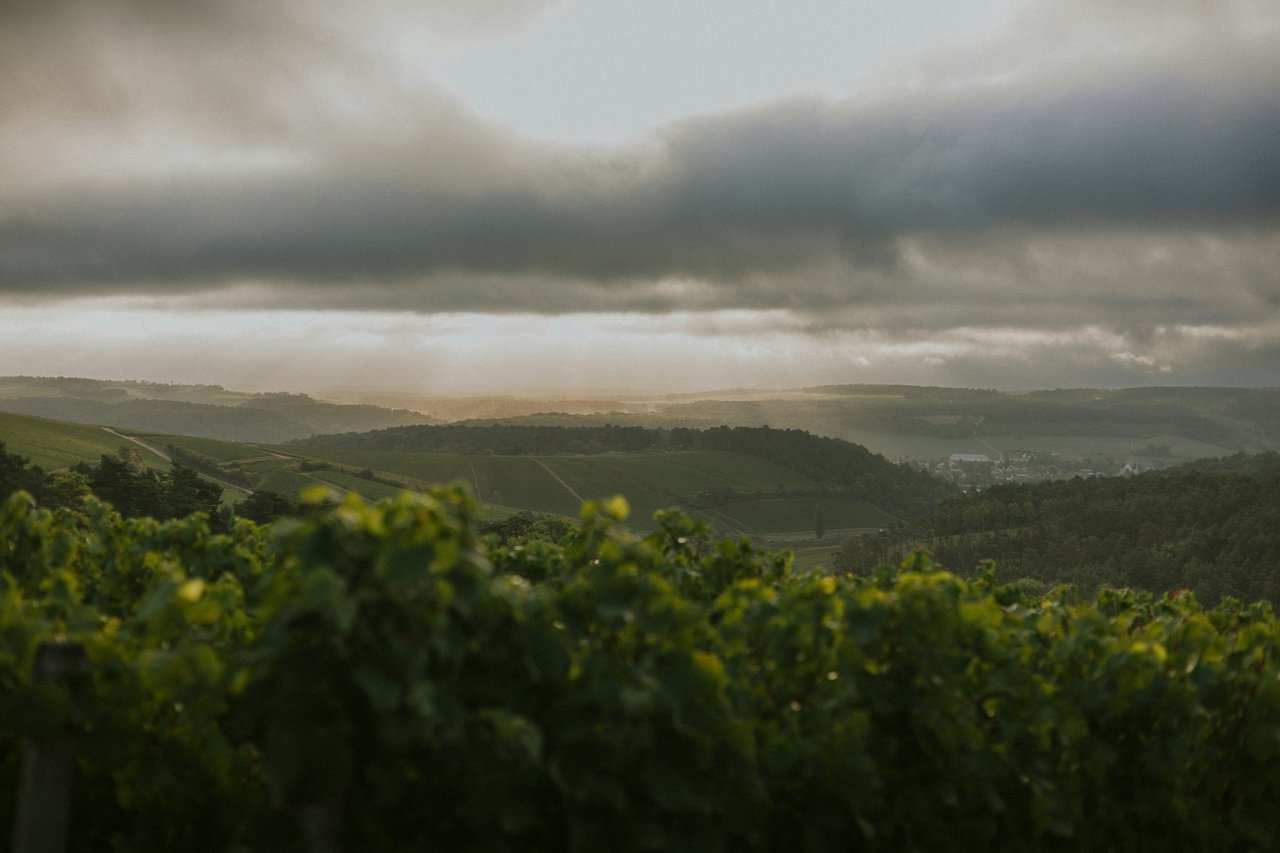
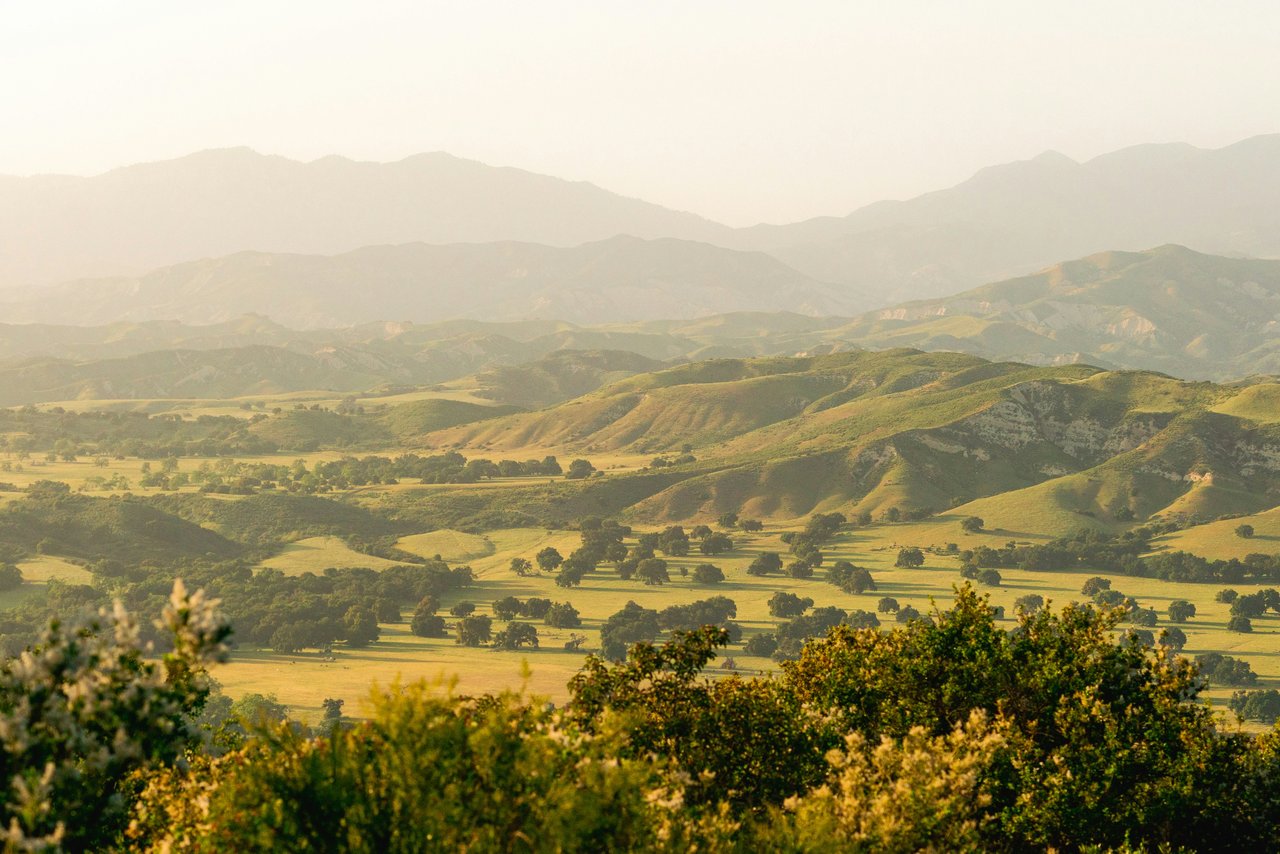
More broadly, the landscape around town does much of the work. Agricultural land, rolling hills, and open views shape the approach to Los Alamos and help define its wine-country atmosphere.
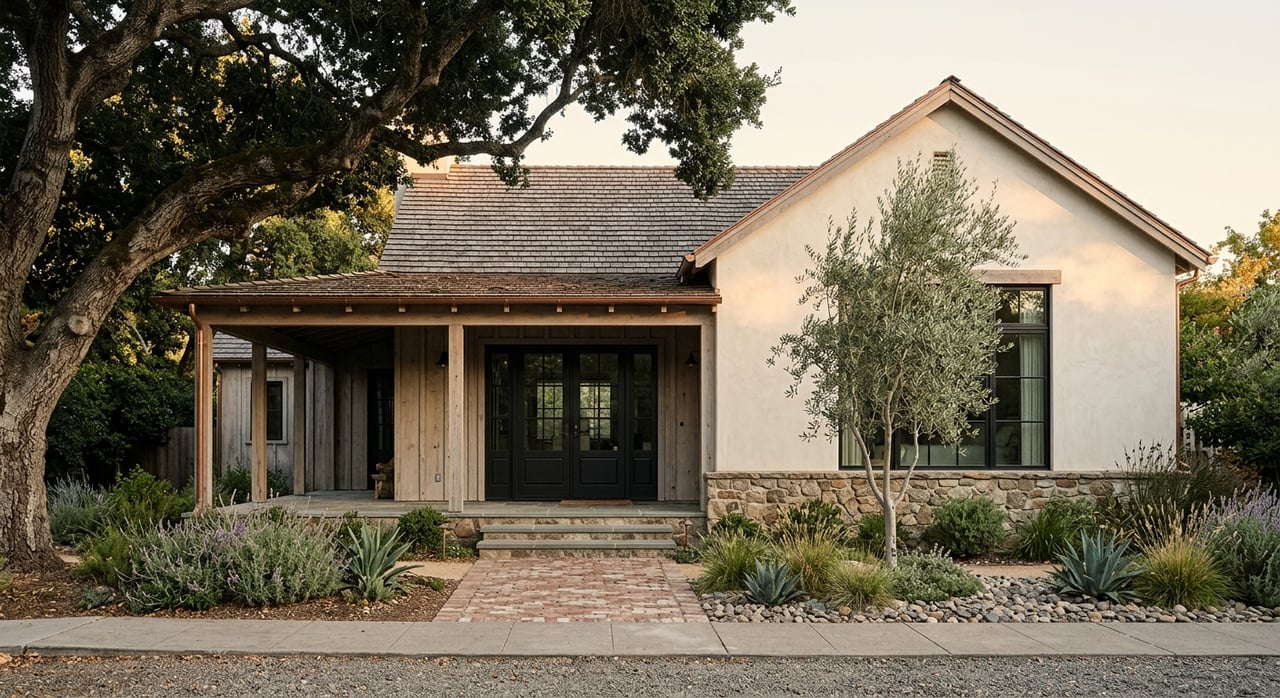
From a property perspective, Los Alamos is especially interesting because it spans more than one lifestyle. The town center offers a historic, small-scale setting, while the surrounding area opens the door to larger rural holdings.
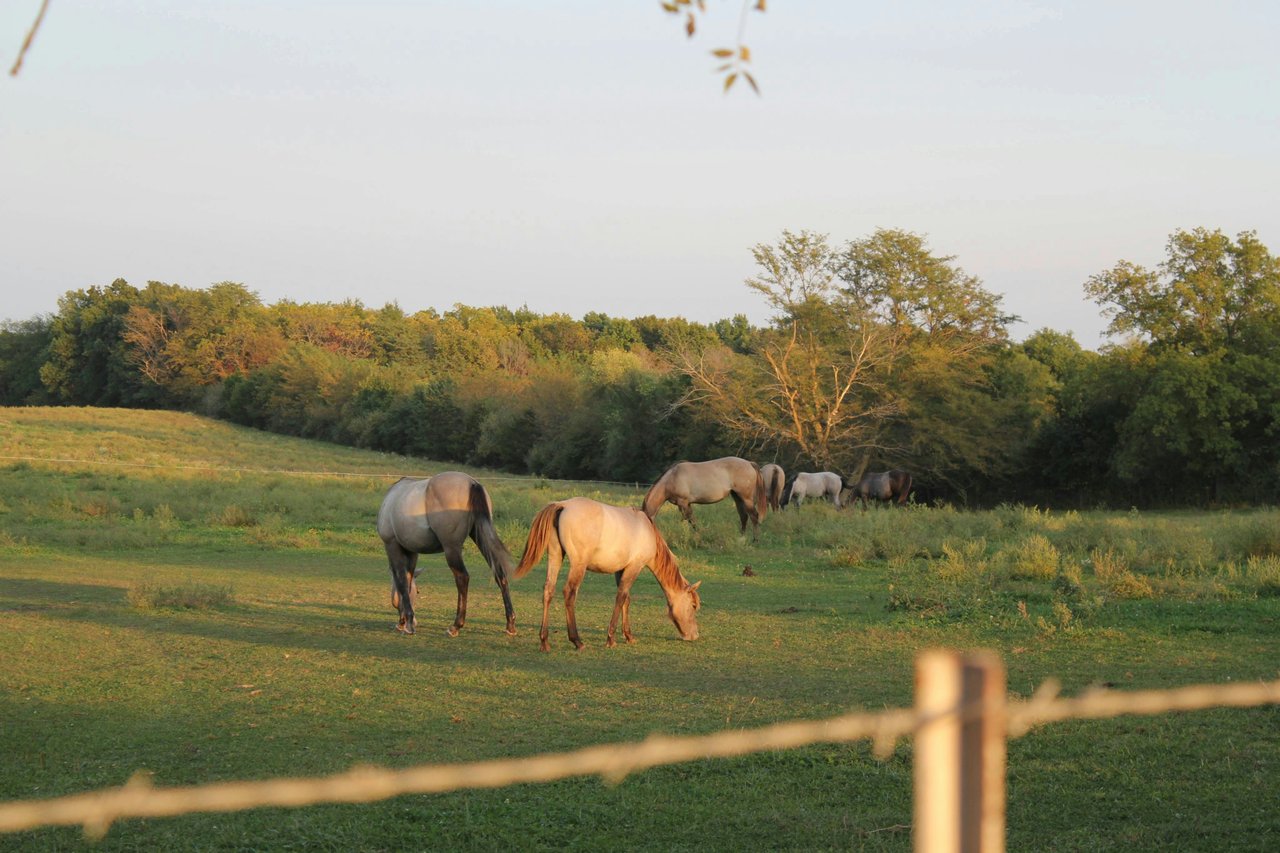
The research examples for current inventory show a broad mix, including small in-town parcels on Bell Street, historic homes on larger lots, and ranch-style properties outside town with vineyard acreage or horse facilities. While individual listings change over time, the overall pattern is clear: Los Alamos can appeal to buyers looking for anything from a compact in-town foothold to a more expansive wine-country estate nearby.
That range matters if you are comparing Los Alamos to other Central Coast communities. You may be drawn to the convenience of a walkable historic main street, or you may want more land, agricultural potential, or room for equestrian use just outside the core. Los Alamos offers a setting where both scales can exist in close proximity.
Los Alamos has a personality that is hard to manufacture. It combines preserved Western architecture, local heritage traditions, a compact downtown, and an unusually dense cluster of dining and tasting destinations for a town of its size.
For lifestyle-minded buyers, that can translate into something very practical. You get a rural wine-country backdrop, a recognizable town center, and access to food and wine experiences that feel established rather than emerging. The result is a retreat-like environment with both character and utility.
For buyers considering country estates, vineyard properties, or larger land holdings in the broader area, Los Alamos can also serve as an important anchor. It offers a clear sense of place, and that often matters just as much as acreage when you are evaluating the long-term appeal of a property.
If you are exploring Los Alamos or considering a country property in this part of Santa Barbara County, working with an advisor who understands both lifestyle value and land-based real estate can make the process more informed. Murphy Atkinson offers confidential guidance for buyers and sellers navigating vineyard, ranch, and country estate opportunities across the Central Coast.
leisure

Wine Tasting
Santa Ynez Lifestyle

leisure

leisure
Santa Ynez Lifestyle
Santa Ynez Lifestyle

AVA
leisure
Immerse yourself in a realm where expertise meets empathy, transactions transform into relationships, and dreams find their home in the heart of California's scenic grandeur.