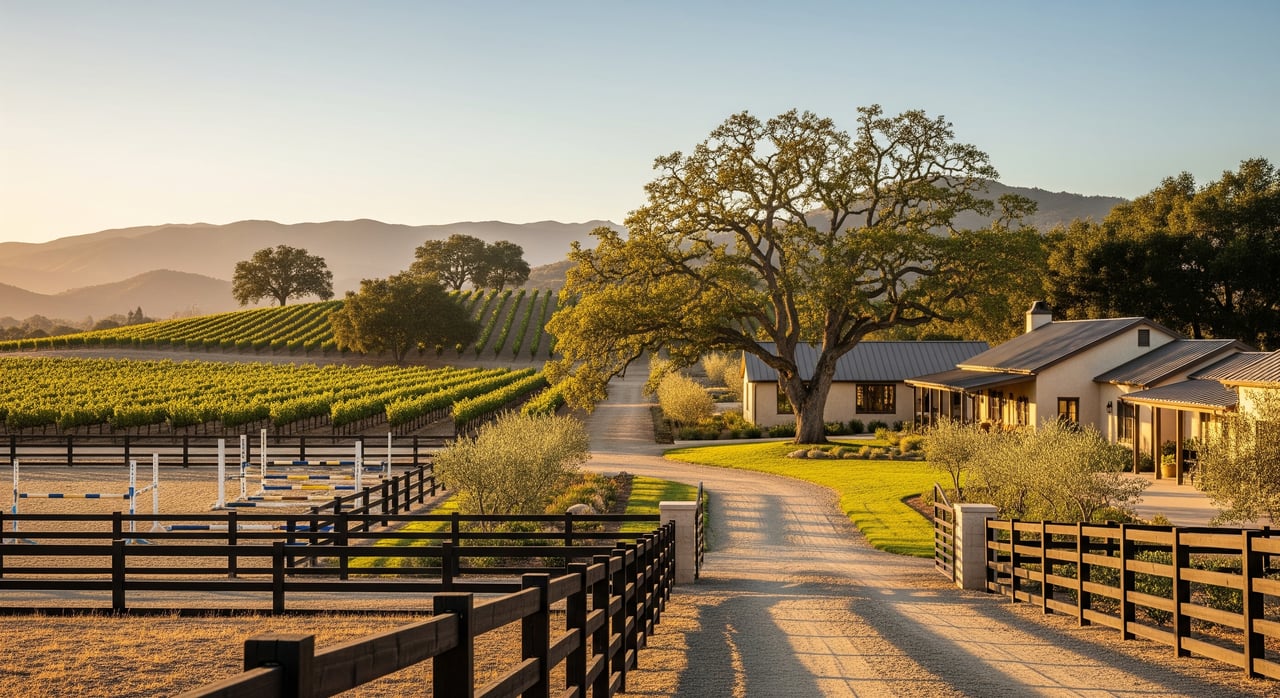
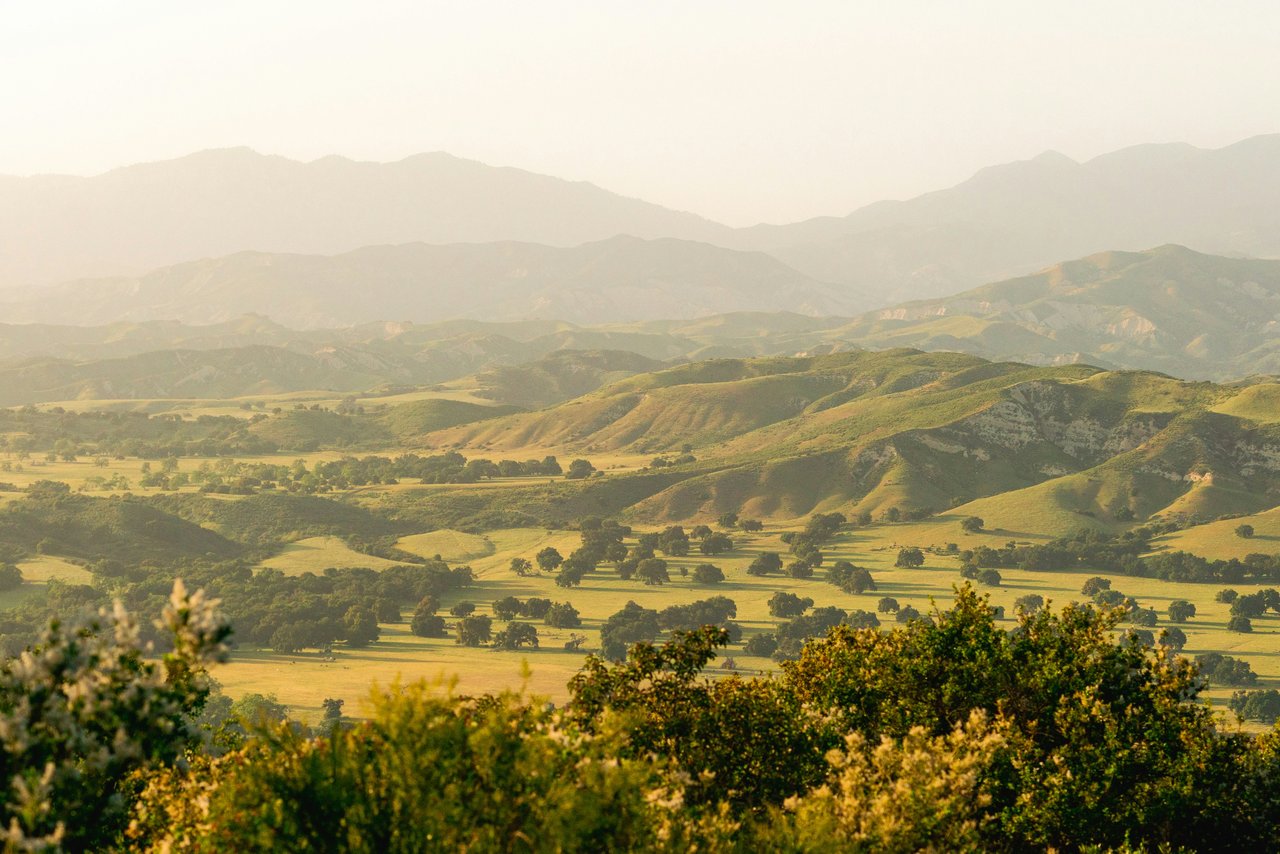
Thinking about an estate, vineyard, or working ranch in the Santa Ynez Valley and wondering whether AG-I or AG-II zoning is the better fit? You are not alone. The two agricultural zones used by Santa Barbara County look similar on paper, but they can shape what you can build, plant, and operate in important ways. This guide breaks down both designations in plain English so you can align your goals with the right parcel and the right permit path. Let’s dive in.
AG zoning at a glance
Santa Barbara County uses AG-I and AG-II zoning to preserve agricultural uses and rural character while allowing limited rural residential living. Both designations support farming, vineyards, grazing, and equestrian uses, with careful controls on subdivision and commercial activity.
- AG-I is generally the more restrictive category. It is commonly paired with larger minimum parcel sizes and lower density to protect active agriculture.
- AG-II allows somewhat higher density while still emphasizing agriculture and rural uses.
Typical minimum parcel sizes used across the county are:
- AG-I: typically 40 acres minimum.
- AG-II: typically 20 acres minimum.
These figures describe common county practice. The legally controlling standards for any property are the official zoning map, recorded lot lines, and any overlays or contracts on the parcel. Some parcels are legal nonconforming, and special overlays can tighten or expand what is allowed. Always verify parcel specifics with Santa Barbara County Planning and Development before you rely on a number.
What you can do in AG zones
Uses commonly allowed by right
In both AG-I and AG-II, you typically can:
- Build one primary single-family dwelling per legal parcel, subject to standard development rules.
- Add accessory dwelling units (ADUs) and accessory structures in line with state ADU law and local standards such as setbacks and size limits.
- Operate agricultural uses such as crop farming, orchards, vineyards, pasture and grazing, and beekeeping.
- Construct agricultural buildings like barns, equipment storage, and equestrian facilities including stables and corrals.
Uses often requiring discretionary permits
More intensive or commercial activities typically need planning review, public notice, and conditions of approval. These may include:
- Commercial processing or intensification of agriculture such as commercial wineries, olive oil processing, and retail activity beyond small farm stands.
- Tasting rooms, events, and ag-tourism uses with public visitation.
- New subdivisions, which are constrained by the minimum parcel size and the intent of the agricultural zone to maintain acreage.
- Large animal operations that exceed backyard scale and may trigger additional environmental review.
Approval often comes with limits on production, visitation, hours, parking, and wastewater management to protect neighboring properties and rural character.
Infrastructure and environmental factors
Feasibility in the Santa Ynez Valley often hinges on a few practical constraints:
- Water supply. Many rural properties rely on private wells. New dwellings, expanded uses, or subdivision can require proof of adequate water or a hydrologic analysis.
- Septic capacity. Septic systems limit bedroom counts, guest units, and especially uses like tasting rooms or event spaces. County Environmental Health oversees septic permits and perc testing.
- Grading and erosion control. Vineyard development, roads, and terracing may need grading permits and technical studies.
- Fire and access. Wildland-urban interface standards affect siting, defensible space, driveway width and turnarounds, and water for firefighting.
- Environmental protections. Oak woodlands, riparian corridors, mapped habitat, or cultural resources can limit where and how you build.
Estates: how AG-I and AG-II shape your plans
Both zones typically allow one primary residence per legal parcel, with the potential for ADUs and accessory structures consistent with state and local rules. The differentiator is usually acreage and density.
- AG-I, with larger minimum parcel sizes, generally delivers more privacy and larger building envelopes. It is also the designation most aligned with preserving large contiguous agricultural operations, which means subdivision is discouraged.
- AG-II can be suitable if you want agricultural use plus a residence and the flexibility that sometimes comes with a smaller minimum parcel size. The agricultural intent remains, but lot sizes and potential density are often higher than in AG-I.
Regardless of zone, expect setbacks, slopes, oaks, and riparian areas to shape your building envelope. For larger estate programs with guest houses, caretakers’ units, or specialized structures, confirm whether those uses are ministerial or discretionary on your specific parcel.
Vineyards and winery feasibility
Planting vineyards
Planting vines is typically considered an agricultural use in both AG-I and AG-II. The scale and site conditions matter. Large vineyard development and new roads can require grading permits, erosion control plans, and sometimes environmental studies, especially on steeper terrain or near sensitive habitats.
Winery production and visitation
Small-scale winemaking for personal use is generally allowed. Commercial wineries, crush facilities, and tasting rooms are usually treated as commercial uses and commonly require a discretionary land use permit. Conditions often limit annual production, visitor counts, parking design, wastewater treatment, and operating hours.
Winery wastewater and compliance
If you plan on commercial wine production that generates wastewater, expect to coordinate with regional water quality regulators. Many wineries need on-site treatment or hauling solutions that meet regulatory standards. Wastewater capacity is a frequent gating item in winery feasibility.
Ranch and equestrian operations
Grazing and livestock
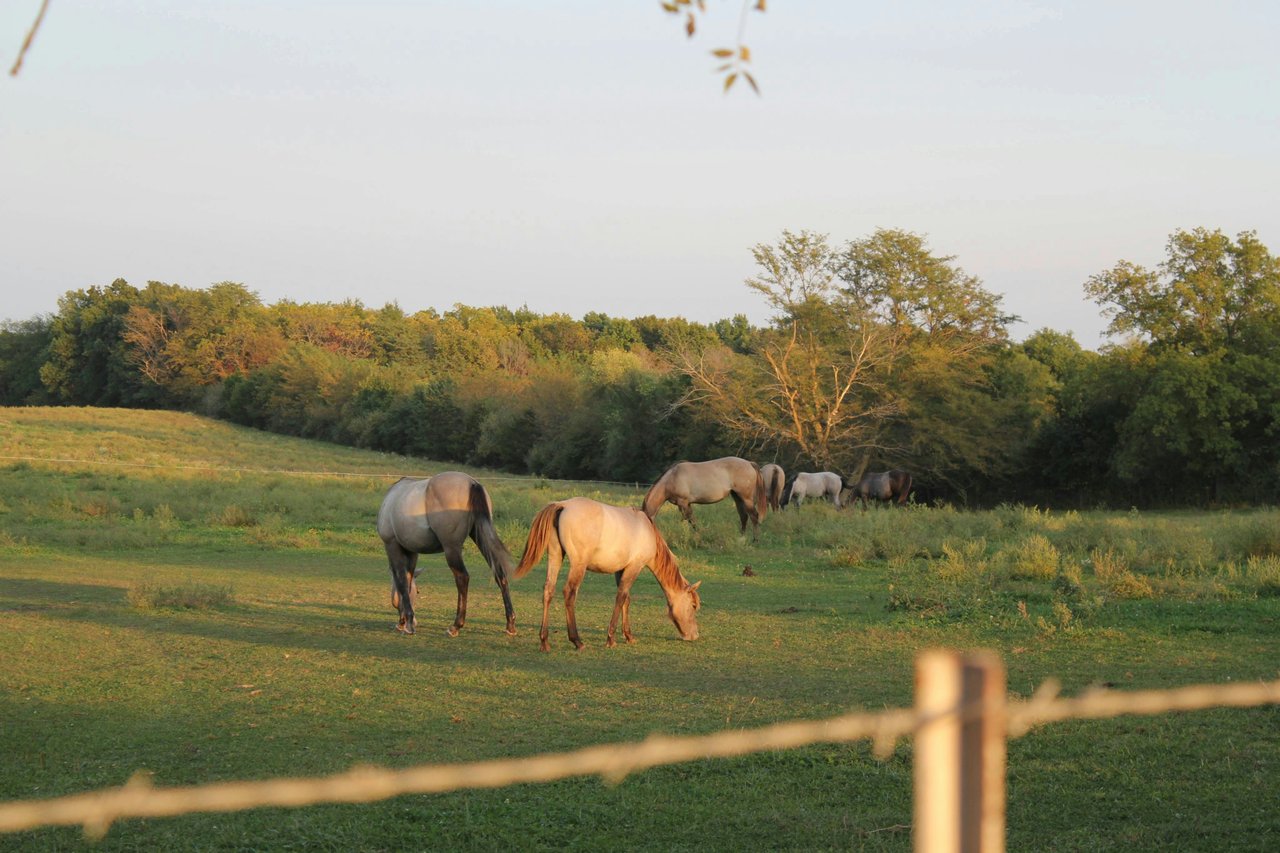
Pasture and grazing are standard agricultural uses in both zones. As herd sizes grow or as operations intensify, you may encounter additional permits or environmental review. These reviews focus on water, habitat, and neighborhood impacts.
Agricultural worker housing
California provides specific pathways for farmworker housing. Permanent workforce housing beyond basic on-site units may require specialized permits and must meet county and state standards. Engage early to understand thresholds and definitions.
Agricultural realities next door
AG zones are working landscapes. Spraying, dust, and equipment noise are part of normal agricultural operations. If you are relocating from a suburban environment, consider how neighboring uses align with your lifestyle and visit the area at different times of year.
Overlays that change the rules
Williamson Act and conservation easements
Some properties are enrolled in Williamson Act contracts or have conservation easements. These provide property tax benefits in exchange for limiting non-agricultural development and subdivision. If a parcel is under contract, the restrictions will frame what you can build and how you can use the land.
Coastal Zone
Parcels inside the Coastal Zone are subject to Coastal Act policies. Many projects require a Coastal Development Permit, which can be more restrictive than inland standards.
Floodplain, riparian, and habitat areas
Rivers, creeks, and mapped habitat bring setbacks and buffers that reduce the buildable area and influence vineyard layout, roads, and fencing. Early biological and hydrologic review can help you avoid redesign later.
Scenic and historic overlays
Scenic corridor or historic overlays, where present, may require additional findings for visible structures, grading, or landscaping. Design and siting often play a larger role in approvals in these areas.
Buying or owning: a practical checklist
Follow these steps to move from concept to clarity on a Santa Ynez Valley parcel:
- Confirm zoning and parcel status. Check the County’s official GIS or zoning map for the parcel’s designation, legal lot status, and overlays such as Williamson Act or Coastal Zone. For certainty, request written confirmation from County Planning and Development.
- Verify allowed uses and standards. Ask County Planning which uses are ministerial versus discretionary on your parcel. Request code citations and records of any previous permits or nonconforming rights.
- Assess key constraints early. Review well capacity and water availability, septic suitability, fire access and fuel modification requirements, slopes, oak and habitat constraints, and potential cultural resources.
- Map your permit path. For vineyards or wineries, confirm likely permits such as grading and any discretionary use permits, and understand wastewater requirements. For larger estates or any subdivision, anticipate discretionary review.
- Engage the right professionals. Coordinate with a county planner, land use attorney or planner, civil or geotechnical engineer, and agricultural or viticulture consultants. For wine production, consult wastewater specialists and regional water quality regulators.
Additional considerations:
- Tax and conservation. Determine whether the property benefits from a Williamson Act contract or other easement that affects use and subdivision.
- Insurance and fire risk. Evaluate wildfire risk and insurance availability. Rural properties can see higher premiums or limited coverage options.
- Neighborhood fit. Confirm tolerance for standard agricultural activity nearby, particularly during planting, harvest, and spraying seasons.
Navigating approvals in Santa Barbara County
Approvals typically fall into three buckets:
- Ministerial approvals. Objective, checklist-style permits such as building permits and many ADUs allowed under state law.
- Discretionary approvals. Conditional Use Permits, Minor Use Permits, and similar processes for uses like wineries, tasting rooms, events, and subdivisions. These require public notice, hearings, and conditions to mitigate impacts. Timelines can stretch months and add design, study, and consultant costs.
- Environmental review. Many discretionary projects require studies under California’s environmental laws. Biological, cultural, water supply, and traffic analyses are common, especially for visitor-serving or intensive agricultural processing uses.
Choosing between AG-I and AG-II for your goals
The right designation depends on what you want to do and the character you seek.
- Legacy estate seeking privacy and acreage. AG-I often aligns with this vision due to larger minimum parcel sizes and fewer neighboring dwellings. Subdivision potential is limited, which helps preserve scale.
- Boutique vineyard with potential for controlled visitation. AG-II may be a fit where a smaller minimum parcel size works for your program, but processing and tasting would still require discretionary permits and wastewater solutions. Operating parameters will be conditioned.
- Working ranch or equestrian operation. Both zones can work. Your choice turns on acreage needs, topography, water, and how much infrastructure you plan to build. Larger AG-I parcels can deliver continuity of grazing and circulation.
- Subdivision or development play. Both zones are designed to protect agriculture. Expect high hurdles. Minimum parcel sizes are hard limits, and discretionary relief for smaller lots is rare in agricultural areas.
No matter the zone, success in the Santa Ynez Valley comes from aligning your vision with the land’s constraints, the code’s intent, and a realistic permit path.
Ready to evaluate a parcel?
If you are weighing AG-I versus AG-II for an estate, vineyard, ranch, or winery concept in the Santa Ynez Valley, it pays to move thoughtfully. Start with the official map, clarify overlays and utilities, and pressure-test your assumptions with the County before you commit to a plan. For a confidential, tailored discussion of property options, permit pathways, and market positioning, Schedule a confidential consultation with Murphy Atkinson.
FAQs
What is the basic difference between AG-I and AG-II in Santa Ynez?
- Both are agricultural zones, but AG-I is generally more restrictive with larger typical minimum parcel sizes, while AG-II allows somewhat higher density while still emphasizing agriculture.
What are the typical minimum parcel sizes for AG zoning in Santa Barbara County?
- AG-I is commonly paired with a 40-acre minimum and AG-II with a 20-acre minimum, though the official zoning map and parcel-specific overlays control.
Can I build a second home or guest house on an AG-zoned parcel?
- One primary residence is typically allowed per legal parcel, and ADUs are allowed subject to state law and local standards; additional dwellings or guest units may require permits depending on parcel specifics.
Can I plant vines and open a tasting room on AG land in the Santa Ynez Valley?
- Planting vineyards is generally an agricultural use, but commercial wineries and tasting rooms usually need discretionary permits with conditions on production, visitation, parking, and wastewater.
How do water and septic affect estate or winery plans on rural parcels?
- Private wells and septic systems are common and often determine feasibility; added bedrooms or visitor-serving uses may require water studies and septic upgrades or specialized wastewater systems.
Does the Williamson Act change what I can build on an AG parcel?
- Yes, if a parcel is under a Williamson Act contract, non-agricultural development and subdivision are restricted in exchange for property tax benefits, which can shape what you may build and how you use the land.
Is subdivision possible under AG-I or AG-II in Santa Barbara County?
- Subdivision is constrained by agricultural policy and minimum parcel sizes, and proposals creating lots smaller than the zoning minimum are typically denied absent rare discretionary actions.